

Everyday Challenges of Potato Transportation
Everyday Challenges of Potato Transportation
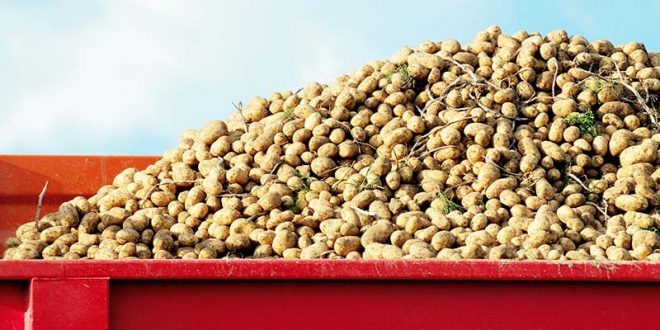
Spuds can be shipped in several different ways depending on the type and availability of shipping space, transshipment, and final destination as well as requirements stipulated by the authorities of the importing country and the buyer.
Potato transportation is generally broken down into three stages: pre-process, during-process, and post-process. In pre-process, most customers transport potatoes by truck, typically in 40-foot enclosed vans. An alternate means is by rail car. Potatoes can also be shipped loose in bulk or by placing them in 0,90 to 1,36 tons crates or totes. Last, but not least, there is maritime transport for large quantities and long distances.
Different cargo handling procedures describe tubers displaying second-order biotic activity. “They are living organs in which respiration processes predominate because their supply of new nutrients has been cut off by separation from the parent plant,” Transport Information Service (TIS-GDV) experts say.
They added that care of the cargo during transportation should be aimed at controlling respiration processes (release of carbon dioxide, water vapor, ethylene, and heat) in such a way that the shipment is at the desired stage of ripeness on reaching its destination.
“Inadequate ventilation may result in fermentation and rotting of the cargo as a result of increased CO2 levels and inadequate supply of atmospheric oxygen,” TIS-GDV specialists added.
The cultivars shipped in the pre-process stage must also be protected from light (daylight, sunlight, and even artificial light in the hold), since the light, on the one hand, causes the activation of growth-promoting enzymes (sprouting), resulting in nutrient loss and thus quality degradation (consistency, flavor), and on the other hand causes the tubers to turn green, which may give the potatoes an unpleasant, bitter taste due to an increase in solanine, present in particular at the stolon end of the tuber.
Guidelines for the Table and Seed Potato Transportation
Based on the BMT’s CargoHandbook, due regard should be given to not mixing different types/batches of table potatoes as it may cause cross-infection.
Table potatoes are perishable and should be handled with care to avoid breaking and cracking. They should never be treated roughly and never loaded wet. They also should not be stockpiled over eight tiers in height as bottom tiers are liable to damage from over-stowing. This particularly applies to potatoes in bags, frail crates, or cases.
Potatoes should be stockpiled in a cool, dry, well-ventilated hold at approx. 7°C. Potatoes are subject to damage by excess heat and moisture, which cause them to start sprouting, and excess drying conditions, which cause evaporation and shrinkage.
You can read the rest of this article in your complimentary e-copy of Issue 3 of Potato Business Dossier 2021, which you can access by clicking here.