

Funding For Developing New Potato-wart Free Spud Varieties
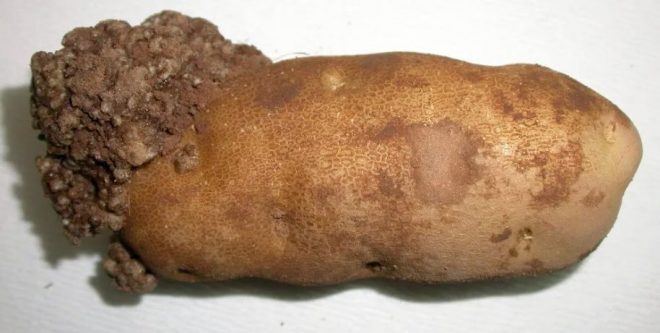
Following a provincial economic loss of about 137,000 metric tons of tubers, researchers at the University of Prince Edward Island (UPEI) are starting their hunt for a potato type that is more resistant to potato wart.
Genome Atlantic, a Nova Scotia-based biotech firm, sponsored the University of Prince Edward Island researchers USD20,000 to create a more wart-resistant potato cultivar and avoid future restrictions. The Genome Atlantic Small-Scale Climate Change Fund supported eight climate change-related projects.
Xiuquan (Xander) Wang, a UPEI associate professor working on the project, said the funding from Genome Atlantic will go toward comparing the genes of different potato varieties. By finding a wart-resistant gene, the researchers could either modify current varieties to be more resilient to diseases like potato wart or make an entirely new wart-resistant variety.
“There will be a very, very complicated process to essentially commercialize a new variety. That’s something beyond our capacity, but from a research perspective, it’s more about providing some scientific information so that they can at least utilize that when they are at that stage to incorporate or introduce some new varieties,” Wang said, cited by The Charlatan.
The strategy of introducing climate-resistant potatoes is already being used, according to Greg Donald, general manager of the PEI Potato Board which represents all PEI potato farmers. But he said more research is needed to address different pathotypes – varieties of organisms that cause diseases like potato wart and could affect new potato varieties.
“We have two different pathotypes here of potato wart. [It’s important] to make sure that those varieties are resistant to both pathotypes,” Greg Donald added.
He also mentioned that the farmers he works with are confident in the monitoring measures in place and committed to maintaining PEI’s stature in the potato industry.
“Whether it’s managing a weed or an insect or whatever, it’s most effective to look at several ways… to manage that pest. Resistant varieties are one really good strategy. There are other ways too, but that one is of interest and is one that’s being employed, and we’ll need to learn more about it,” Donald concluded.