


APM Steam Targets Steam Trap Losses in Food Manufacturing
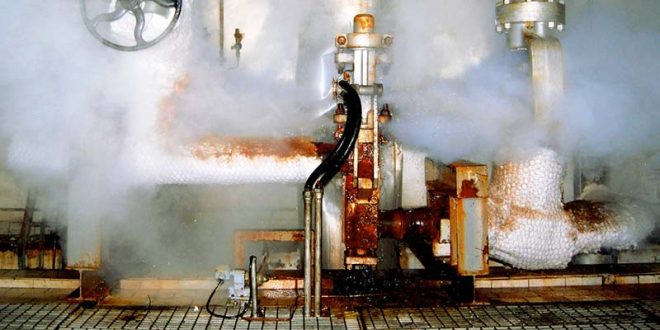
American Plant Maintenance (APM Steam) is highlighting its steam trap survey services for food manufacturing facilities as processors look to reduce energy losses, improve steam system reliability and limit production disruptions.
The surveys are designed to create a complete inventory of steam traps, identify failed or malfunctioning units and detect wider problems within steam trap stations that can restrict thermal energy delivery or condensate removal.
Steam is widely used in food processing operations including cooking, pasteurisation and sterilisation, making the performance of distribution and condensate-return systems important to both energy efficiency and process reliability.
US Department of Energy guidance indicates that between 15% and 30% of installed steam traps may have failed in systems that have not been maintained for three to five years. In systems with regularly scheduled maintenance, leaking traps should account for less than 5% of the trap population.
APM technicians assess traps using ultrasound and temperature differentials and record their operational status. The company said its surveys also cover surrounding components including isolation valves, inlet strainers, check valves, bypasses and test valves, allowing technicians to identify conditions that could complicate repairs or require a facility shutdown.
Each surveyed trap receives a numbered stainless-steel identification tag, while the resulting inventory records information including location, application, steam pressure, manufacturer, model, pipe size, temperatures and installation details.
For food processors, failures that interfere with heat transfer can also affect temperature control in processes where thermal parameters form part of a facility’s food safety controls. US Food and Drug Administration guidance under the Food Safety Modernization Act requires applicable process controls to manage parameters such as temperature during operations including cooking.
APM provides facilities with a report covering identified failures, recommended repairs and estimated energy losses. The assessment also includes a return-on-investment calculation comparing survey, replacement and labour costs with losses associated with failed traps.
The company says steam trap repair projects can in many cases achieve payback in less than a year.


