UC Davis Findings Put Avocado Oil-Labeled Chips Under Pressure
Texas authorities have opened an industry-wide investigation into food products marketed as being made with avocado oil after research found that most avocado-oil-labelled products tested, including potato chips and other snacks, had oil compositions inconsistent with authentic avocado oil.
Texas Attorney General Ken Paxton announced the investigation on August 20, saying his office had issued civil investigative demands to Primal Kitchen, Siete Foods and Chosen Foods, with further companies potentially to follow.
The investigation will examine whether companies have breached the Texas Deceptive Trade Practices Act through misleading labeling or marketing. The investigative demands do not constitute findings that any of the companies have violated the law.
The action follows a University of California, Davis study examining the authenticity of avocado and olive oils used in commercially processed foods. Researchers analyzed oils extracted from 74 chip, mayonnaise and salad dressing products, including 54 products listing avocado oil and 20 listing olive oil.
Of the avocado-oil-labelled products, 48 — or 89% — showed compositional patterns inconsistent with established ranges for authentic avocado oil. Among the chip products tested, the figure reached 93%, compared with 71% for mayonnaise and 100% for salad dressings. Only one of the 20 olive-oil-labelled products tested was found to be inconsistent with authentic olive oil.
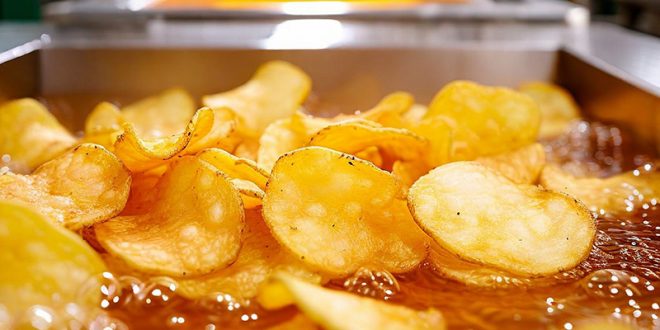
The researchers assessed fatty acid and sterol profiles used as chemical markers for oil authenticity. They also conducted frying and emulsification experiments to determine whether food processing itself could account for changes in those markers, finding that processing produced only relatively minor shifts. The assessment incorporated a 10% margin to allow for natural variations associated with factors such as avocado variety and geographic origin.
“If consumers are buying potato chips that say they’re made with 100% avocado oil, that should be the product that they’re getting,” said Selina Wang, professor of cooperative extension in the UC Davis Department of Food Science and Technology and a lead author of the research.
Wang said adulteration could occur further up the supply chain, particularly where manufacturers obtain oils through brokers or multiple suppliers.
“I don’t think there is enough accountability throughout the supply chain. Suppliers of adulterated oil may be hiding behind a couple of layers of supply chain, making it difficult to identify where the problem originated,” she said.
The findings have been disputed by some manufacturers. Chosen Foods said it does not add seed oils to its products and argued that the testing procedures used in the study may not fully account for the characteristics of finished condiments and dressings. Primal Kitchen has similarly said that avocado oil composition can vary according to origin, variety, growing conditions and processing, adding that the oil it purchases is subject to supplier certification and independent third-party testing.
Paxton said the Texas investigation would seek to establish whether product labeling and marketing had misled consumers.
“Consumers should not have to worry if they are being deceived by labels when trying to choose healthier options at the grocery store,” he said.