

Powder Coating in Snacks: Precision, Savings, and Superior Flavor Coverage

Conventional seasoning systems use an auger feeder or vibratory feeder to pour seasoning into a spinning, flighted enrobing drum, which is then used to apply oil and seasonings to snack foods like potato chips. The seasoning is bonded to the potato chips using mechanical blending and the leftover oil from the frying process. Although this procedure has been used for many years, aeration and residence time lead to uneven coating, over-application, drop-off, and seasoning loss.
The automotive painting industry has already experimented with and tested a novel solution to these problems: powder coating. Food seasoning systems can now use this solution, leading to the “Powder Coating of Foods.”
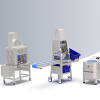
The enrober drum is grounded, which causes the potato chips to softly fall through the positively charged drum. Then, using a wand to ionize (make negatively charged particles) the seasoning (powder, oil, or slurry) into the drum, an ion cloud is produced. With the positively charged potato chips, the seasoning and coating stick to them naturally, giving the impression of a full wrap.
Excellent seasoning coverage can be achieved while saving 10-45% on powder by retrofitting electrostatic seasoning devices onto current food processing machinery.
“With an average seasoning cost of USD1-4 per pound (depending on formulation and supplier), return on investment in an electrostatic seasoning system can occur in four months or less,” Tinsley Equipment Company’s experts explain.
Fundamental Approaches in Seasoning Application
Applying a uniform and consistent seasoning layer to all sides of the snack product is the ultimate goal when flavoring snacks. By doing so, the snack will always have the same appearance and flavor.
Currently, the most common approach is the conveyor-based system, which is frequently used for applying salt. Often, these systems come with a variable speed drive that enables different application rates over the full width of the roll.
The tumble drum and seasoning dispenser is a more sophisticated application method. Here, the idea is to ‘roll the bed’ to produce a tumbling motion. Seasoning is added consistently and at a set pace. The product passes through the downward-sloping, slanted seasoning drum from the entrance to the exit. Drum design, rotation rate, and angle all affect product exposure, or ‘dwell time.’
The most popular method of seasoning is to employ a dry powder that is poured through an angled, flighted tumbling drum.
Dry seasoning granules should only be applied using the dry seasoning (single-stage) method in areas with enough surface moisture (such as frying oil) to guarantee adhesion. Corn chips and potatoes are two products that have a significant amount of unabsorbed surface oil in them.
You can read the rest of this article in your complimentary e-copy of Issue 3 of Potato Business Dossier 2024, which you can access by clicking here.