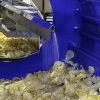


Pressure to differentiate potato products no longer stops at seasoning, coating, or packaging. Processors are being asked to deliv...

Climate control is the point at which raw material quality is either preserved within processing specification or irreversibly deg...
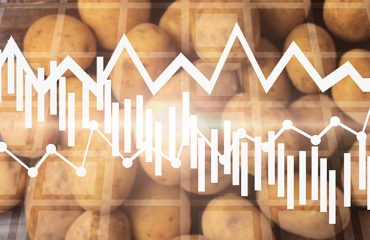
The North American potato market entered 2026 in a position that defies a simple supply narrative. Official production data point...
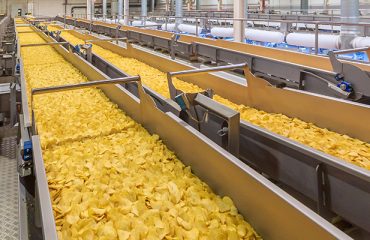
“Lights-out production” is one of the most compelling phrases in industrial food manufacturing because it suggests a factory capab...

Order management, production scheduling and inventory allocation in industrial potato processing plants are executed through enter...

Temperature defines whether a potato processing line remains within validated safety limits, meets regulatory requirements on proc...

Production efficiency in potato processing is constrained by how quickly deviations in raw material condition, utilities, or equip...

Packaging systems that provide no feedback on product condition limit the ability of processors to verify cold-chain compliance, d...
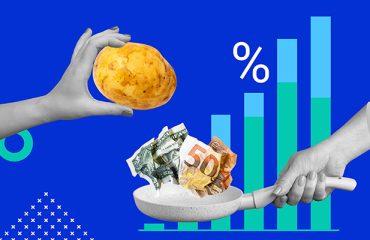
What is unfolding in the Gulf is not a distant geopolitical episode; it is an immediate cost event for agriculture. The Strait of...
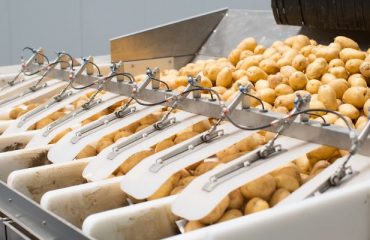
Grading accuracy directly determines usable yield, line stability, and compliance risk in industrial potato processing. Size distr...
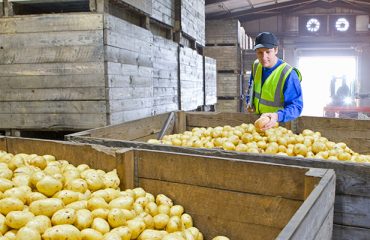
Sprout suppression is no longer a secondary consideration in processing potato storage. Since the withdrawal of chlorpropham (CIPC...

The escalating conflict in the Middle East is beginning to ripple through global agricultural supply chains, raising concerns amon...
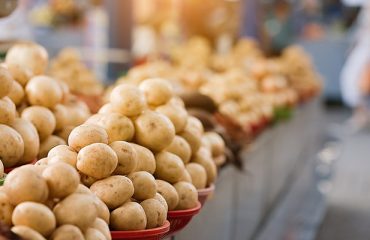
The fresh potato market in Eastern Europe is undergoing one of the most complex transitions in decades. Long considered a domestic...