

When Geopolitics Rewrites The Cost Structure Of Potato Production
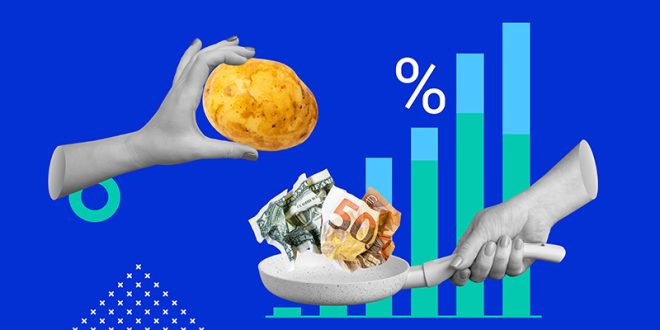
What is unfolding in the Gulf is not a distant geopolitical episode; it is an immediate cost event for agriculture.
The Strait of Hormuz has once again proven how tightly coupled global food production is to energy and fertilizer logistics. When a single maritime corridor carries a disproportionate share of traded nitrogen inputs and energy feedstocks, disruption is not theoretical—it is priced into every hectare.
The reaction has been swift. Fertilizer markets have tightened, with reported price increases already reaching double digits across key nutrients. The warning from Yara International that this conflict “goes straight into the food system” is not rhetorical—it reflects the structural dependency of modern crop systems on stable nutrient flows.
Potatoes sit at the sharper end of that exposure. Unlike lower-input crops, commercial potato production is heavily nitrogen-dependent, with yield, quality, and storability all tied to precise nutrient management. When fertilizer becomes volatile—either in price or availability—growers are forced into suboptimal decisions: reduce application rates, accept lower yields, or shift acreage.
That pressure is compounded by energy. Natural gas pricing feeds directly into fertilizer production costs, while diesel and electricity increases cascade through field operations, irrigation, and long-term storage. The result is not a single shock, but a layered cost escalation.
Logistics is the third fault line. Carriers such as Maersk and others introducing conflict surcharges, alongside service disruptions, are already reshaping export economics. For a perishable commodity like potatoes, time and cost increases quickly erase margin.
As International Food Policy Research Institute analysts have noted, higher input costs inevitably influence planting decisions. That shift may not be visible immediately—but it will materialize in acreage, yields, and ultimately supply.
The industry is once again reminded of a hard truth: agricultural stability is contingent on systems far beyond the farm.
You can read the rest of this article in your complimentary e-copy of Issue #1 of Potato Business Digital magazine, which you can access by clicking here.