

Software Architecture Behind Modern Potato Processing Facilities
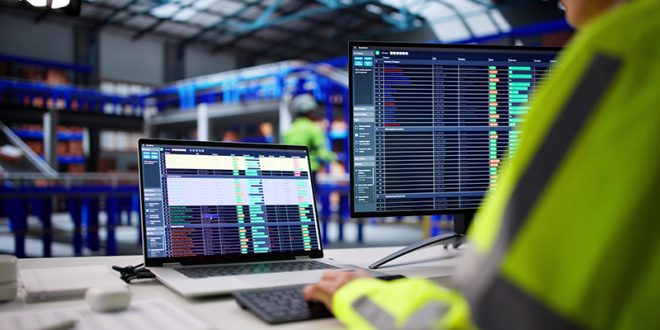
Order management, production scheduling and inventory allocation in industrial potato processing plants are executed through enterprise software platforms. When these systems malfunction or are poorly integrated, operational disruption appears immediately in order fulfilment, warehouse movements and production planning.
One example of this operational dependency becoming visible was during a recent enterprise resource planning (ERP) transition at Lamb Weston Holdings. The company reported that the introduction of a new ERP system affected order flows and contributed to reduced sales forecasts. The processor revised its annual net sales outlook to between USD 6.54 billion and USD 6.6 billion, down from its earlier expectation of USD 6.8 billion to USD 7 billion. Adjusted EBITDA projections were also lowered.
Explaining the disruption, CEO Tom Werner stated: “While we are disappointed with the magnitude of the ERP transition’s effect on the quarter, after implementing systems adjustments and modifying processes, we believe the impact is behind us as our order fulfillment rates have normalised.”
In large-scale processing environments where plants ship thousands of tonnes of frozen potato products weekly, order fulfilment software connects sales demand to production runs, storage allocation and logistics dispatch. A misconfigured ERP environment therefore affects not only administration but also the physical flow of product through the plant.
The Software Stack Behind A Processing Line
Industrial food plants operate through several interconnected software layers. Each layer performs a distinct operational function.
At the plant level, programmable logic controllers regulate machinery such as sorters, cutters, fryers and conveyors. Above that level, supervisory control systems monitor machine status and collect process data. Manufacturing execution systems coordinate production scheduling, machine availability and batch control, while enterprise resource planning platforms connect plant operations with purchasing, inventory management, distribution and finance.
For potato processors, this layered architecture is necessary because product variability must be managed continuously. Raw potatoes entering a processing line differ in dry matter content, sugar levels and physical size. Software systems therefore coordinate grading equipment, trimming machines, blanchers and fryers to maintain consistent output specifications.
These systems also synchronize plant capacity with demand signals from sales forecasts and customer orders. Production runs for frozen fries, flakes or chips must be scheduled against available raw material deliveries and freezer storage capacity. Without integrated software coordination, plants would either produce excess inventory or underutilize processing capacity.
ERP As The Operational Backbone
Enterprise resource planning systems serve as the data backbone linking processing plants with suppliers, warehouses and customers. In food manufacturing, ERP platforms consolidate procurement records, production data, inventory levels and sales orders into a single operational database.
The importance of unified data is emphasized in food-sector ERP deployments. A cross-functional platform provides a single operational dataset for departments ranging from procurement to production and logistics, reducing inconsistencies between operational and financial records.
ERP systems also integrate with shop-floor data sources. Modern implementations connect sensors, scales and other production devices to automatically capture operational data. This real-time information allows companies to detect deviations during production rather than after the fact.
From an operational standpoint, this capability affects several cost variables in potato processing plants. Real-time data visibility allows production managers to detect yield losses, machine inefficiencies or inventory imbalances quickly. Without this feedback loop, inefficiencies remain hidden until end-of-day reports or accounting reconciliation reveal them.
You can read the rest of this article in your complimentary e-copy of Issue #1 of Potato Business Digital magazine, which you can access by clicking here.