

Polish Government Urges Consumers to Buy Local Amid Potato Price Collapse
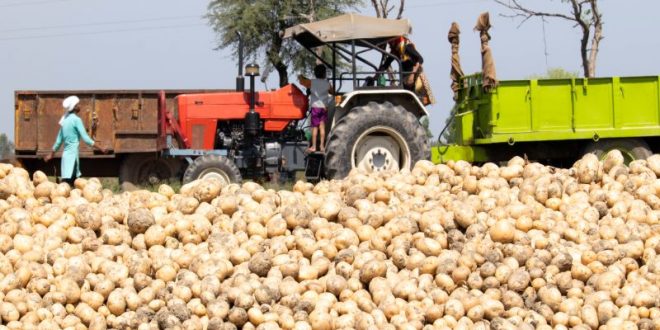
Poland’s government has launched a campaign encouraging consumers to prioritise domestically grown potatoes after a sharp fall in wholesale prices and rising import volumes intensified pressure on local growers.
The initiative, branded “Polish Potato”, comes as the country faces the combined effects of record domestic production and growing imports, particularly from neighbouring Germany, creating mounting frustration across the sector.
According to information cited by Euractiv from Poland’s agriculture ministry, average wholesale potato prices in May were down 43% year-on-year. The decline follows a year of exceptionally strong domestic output, with Poland harvesting approximately 18% more potatoes in 2025 compared with the previous year.
At the same time, imports continued to rise. Ministry figures cited by Euractiv indicate that Poland imported roughly 160,000 tonnes of potatoes in 2025, of which around 95,000 tonnes originated from Germany — an increase of 41% compared with the previous year.
Against that backdrop, the government has turned to a market-facing response centred on consumer behaviour rather than direct intervention.
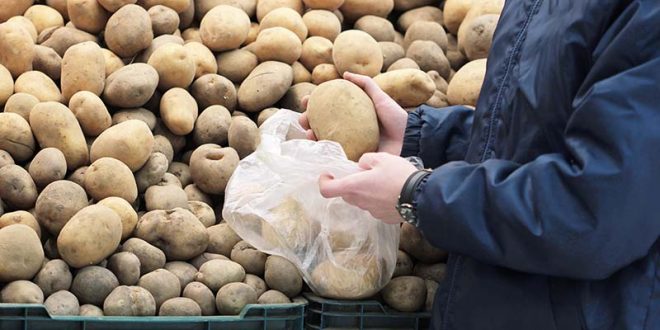
The “Polish Potato” campaign promotes what officials describe as “consumer patriotism”, encouraging shoppers to choose stored domestic potatoes from the previous harvest instead of imported early-season product. Promotional materials carry the message: “Let’s choose what’s good and ours.”
The move places Poland among a growing number of European markets where agricultural pressure is increasingly being reflected in public campaigns supporting domestic consumption.
Farmer dissatisfaction has been visible for months. Potato growers previously protested imported product outside the agriculture ministry, and criticism of German imports has become more vocal as market conditions deteriorated.
One representative of the agricultural branch of the Solidarność trade union, quoted by Euractiv, argued on social media that German imports were undermining the domestic market.
For potato sector participants, the development highlights a broader challenge emerging across Europe: balancing free movement of agricultural goods within the single market against periods of local oversupply and sharp price volatility.
While imported volumes have become a focal point of public debate in Poland, the market pressure appears to stem from both increased external supply and a substantial expansion in domestic production.