

Belgapom: Long Term Vision Helps Potato Processors in 2017
The potato crop in Belgium was not as expected, due to weather conditions during the growing season, but processors opted for along term vision, with a solid contract basis, available storage and scheduled purchases on the market, says Romain Cools, Secretary General Belgapom, for PotatoBusiness.com.
The free potato prices have been high during the whole season, which has affected the markets as well on the incoming side (imports) as from the outgoing side (competition), the representative of Belgapom explains. “Whether there will be a shortage at the end of the season will probably depend on the timing of the early crop,” he added.
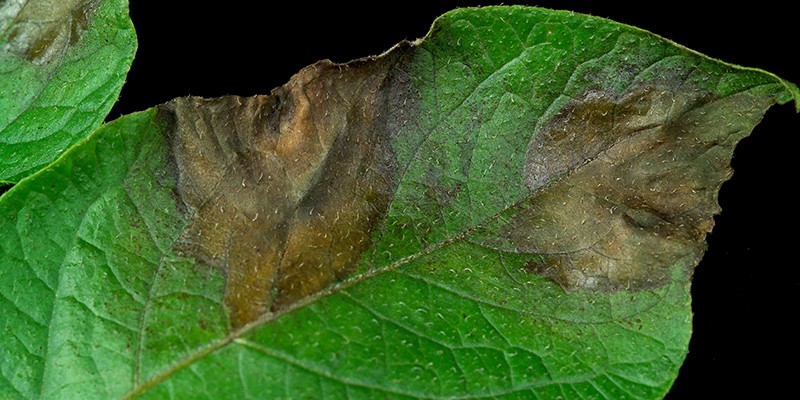
The weather conditions have affected all types and varieties of potato. The floods in Belgium were regional and lower yields and quality problems happened in many countries. “This can be illustrated by the fact that all varieties share the same price on the free market, which was different during the previous seasons.
Some varieties have shown differences quality wise. So we have seen that of the two major processing varieties for Belgium (Fontane and Bintje) the first one had more quality problems this season, where last year it was the reverse,” Cools mentioned.
Higher prices, more possibilities
Normally, a year with higher prices offers more possibilities for the potato trade, but this year trade has also suffered from low yields to deliver the contracted goods. Working together in a potato chain has to be considered on a long term basis. “I have the impression years like this one offer opportunities for long term relationships between the operators in the potato value chain. On the other hand, one cannot neglect the fact that lessons have to be learned from this year. Seed potato quality, investments in irrigation and quality storage, and a broad weather related insurance have to be considered,” Cools said.
He added that potato prices in the EU have always been much more volatile than in the US or Canada (our major competitors on the global market of frozen potato products). “I believe that the global market is driven by demand, and the demand for processed products all over the world is high,” he explains. The further evolution of population growth in Asia and Africa and the increased buying power of the middle class will affect the markets more than the current potato prices. The general secretary of Belgapom considers that the EU and Belgium, more particularly, are well prepared to take up these challenges taking in consideration the investments in sustainable growth and quality policy and the fact that the processing industry is continuously extending its capacity. “The combination of a strong potato chain and a competitive logistical system can be a guarantee of a successful future for this sector,” he added.
It is unclear how the Brexit will influence the relations with the UK on a longer term. Probably there will be changes in the British agriculture scheme and trade conditions could evolve. “Up to now I guess the Brexit and the drop of the value of the British pound have made European product more expensive. But contracts were made and have to be executed. On the other hand, the shortage of potatoes in the EU has also affected the exports of fresh potatoes from the UK to Belgium. But it is too early now for future conclusions,” Cools concluded.