

New Tasmanian Measures Target Soil Movement And Traceability In PMTV Response

Tasmania has introduced new biosecurity requirements for potato growers aimed at managing the spread of potato mop-top virus (PMTV), following confirmation that eradication is not feasible.
Biosecurity Tasmania’s Chief Plant Protection Officer, Susanna Driessen, issued a General Biosecurity Direction setting out the new obligations. The direction will remain in place until June 2027.
Under the measures, all equipment used in the production, harvesting, transport or processing of potatoes must be cleaned and free of soil. Growers are also required to destroy plants suspected of carrying the virus and to maintain records of planting, harvest and supply for a minimum of three years. In addition, written notice must be provided to buyers where potatoes may be carriers of PMTV.
The introduction of the direction follows the first detection of mop-top virus on a Tasmanian farm in July, marking the first confirmed case in Australia. Traceback investigations indicated that the virus may have been present in Tasmania for up to two years prior to detection. Authorities have since determined that eradication is not feasible and have shifted to a management-based approach.
PMTV is transmitted by Spongospora subterranea, a soil-borne pathogen that also causes powdery scab in potatoes. As a result, the movement of contaminated soil is a key pathway for the spread of the disease, underpinning the focus on cleaning requirements within the new rules.
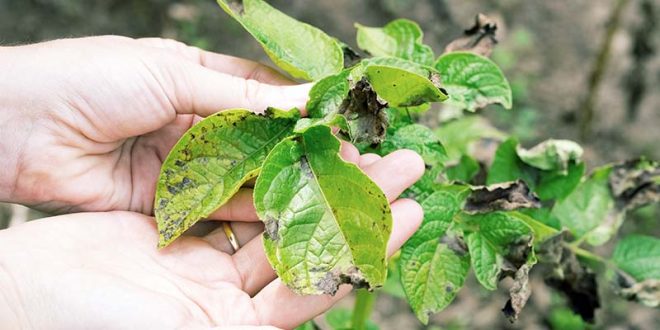
While there are no human health risks associated with consuming potatoes affected by mop-top virus or powdery scab, the disease can impact product quality. Infected tubers may exhibit skin distortion, deep cracking, and internal discoloration such as rust-coloured arcs, streaks or flecks. Foliar symptoms may also occur, including yellowing of leaves, depending on the variety and infection source.
The new requirements place operational emphasis on hygiene controls and traceability across the potato supply chain, as Tasmania transitions from eradication efforts to long-term management of the virus.