

U.S. Potato Industry Presses Japan for Fresh Market Access After Tokyo Meetings
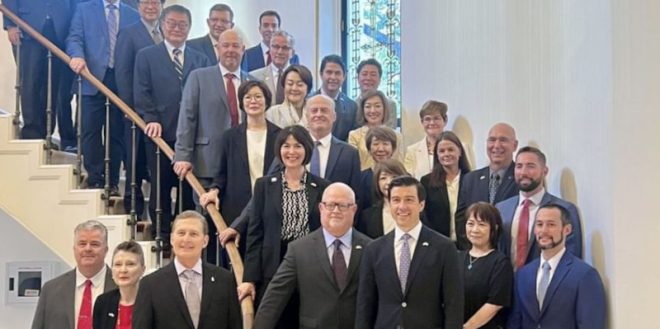
A delegation of U.S. potato industry leaders and USDA officials convened in Tokyo this week to press for fresh market access for U.S. potatoes to Japan, spotlighting the potential for a landmark trade expansion.
The U.S. contingent included National Potato Council (NPC) CEO Kam Quarles, Jared Balcom (past president of NPC and member of USDA’s Agricultural Policy Advisory Committee), Blair Richardson (President and CEO of Potatoes USA), and Matt Lantz of Bryant Christie, Inc. In lieu of USDA Secretary Brooke Rollins, who withdrew due to the U.S. government shutdown, Undersecretary for Trade Luke Lindberg led the delegation.
In public remarks, Quarles stressed the economic significance of securing Japanese acceptance of fresh U.S. potatoes:
“Gaining fresh access to Japan would result in USD 150 million a year in new potato exports. If the President can use the leverage he has created with Japan to finally deliver this new market, the impact for American growers would be tremendous.”
He later added:
“We have the opportunity to finally conclude a landmark deal for USD 150 million a year in new U.S. fresh potato exports to Japan. It is very unfortunate that the government shutdown impacted those negotiations and highlights its real-world negative impact on U.S. family farms.”
The delegation’s efforts coincided with visits to grocery outlets in Tokyo to examine the availability of processed U.S. potato products to Japanese consumers. These visits were intended to underscore both existing market penetration in processed lines and the incremental upside of fresh product access.
The appeals come amid longstanding Japanese resistance to importing fresh U.S. potatoes, despite repeated U.S. overtures. NPC and allied stakeholders emphasize that opening the fresh channel would represent a substantial boost to U.S. exports and grower income.
The outcome of these Tokyo meetings is uncertain, especially given the backdrop of U.S. domestic political disruption. Nonetheless, the U.S. delegation framed the visit as an opportunity to negotiate a fresh-potato access deal that could reshape bilateral trade in this commodity.