

Detecting Tuber Disease Through Volatile Organic Compounds
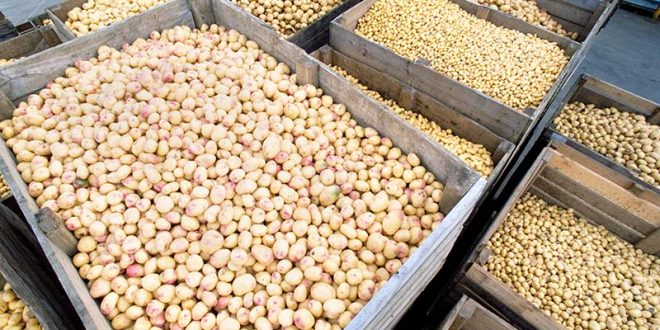
Storage diseases are not curable, and if left unchecked, they can have devastating effects on a stored harvest. However, there are ways to help limit pathogen spread from diseased to healthy potatoes and to keep the problem from getting worse. But the first step in using any storage management tools is the proper identification of the disease responsible for a rot problem. Pathogen identification will also help in making future field management decisions.
by Dan Orehov, Tudor Vintiloiu
In an exclusive interview with AHDB’s storage specialist, Dr. Laura Bouvet, she explained that, for the most part, identifying disease is still dependent of inspecting the crop and using the eyes and nose to look for problems.
“Sniffing your store is still one of the best ways to monitor diseases, particularly for soft rot. And for blemish diseases, using the eyes. There’s no specific sensor for monitoring diseases in store yet – although B-Hive in the UK are working on developing such a thing, and have been given a government grant to help bring that to market. But as it stands, it’s still more prevalent to use the nose when carrying out regular store checks.”
According to Bouvet, prevention is always better than managing disease and the way to prevent it is by thoroughly cleaning once the store is empty, particularly if rots have existed previously and inoculum may be present – so it is about giving a deep clean, removing as much debris and residue as possible – in order to allow no breeding ground for spores to germinate.
“Since most diseases come from the field or the seed, it needs to be a joined-up process of prevention in the field coupled with prevention in storage,” says Bouvet.
“I’ve started to encourage growers and store managers to think more about Integrated Store Management (ISM) – a multidisciplinary approach to storage – thinking about the storage environment and its management, the use of physical, biological and chemical measures for controlling disease pressure and sprouting, considering varietal traits – so integrating all of these different components as a whole, is crucial for storage moving forward,” she adds.
When it comes to loading the store, disease grading is important to make sure diseased potatoes aren’t stored with healthy potatoes – that’s also part of ISM – to keep disease levels down. It is difficult to treat pathogens that are attacking potatoes once they’ve spread in storage, hence why prevention and monitoring are important. Regular monitoring lets you make sure that disease levels stay down.
Gaseous Emissions Monitoring
Alison Wright, R&D Project Manager, B-Hive says they are collaborating with the University of West England, funded by the UK government’s Knowledge Transfer Partnership, to research non-destructive methods to monitor the gaseous emissions of potatoes in store for early detection of internal defects. “We’re investigating whether technologies will have the sensitivity to identify specific defects in potatoes, but currently we are working on the ability to detect the presence of any defect within a region of the store. Informing the store manager of a problem in an area of the store would allow the manager to react, either by managing the store environment or by prioritizing moving the crop earlier. These actions are all part of the sort of Integrated Store Management approach that advisers are recommending now that fewer chemical treatments are available for in-store management,” says Wright. “The ultimate aim of the project would be to be able to detect specific defects but even if we’re able to identify general changes and indicators of defects and/or diseases that would still provide a huge advantage to store managers,” she adds.
You can read the rest of this article in the Spring Issue of Potato Business Digital magazine, which you can access by clicking here.