

Heat Recovery Enhances Potato Drying
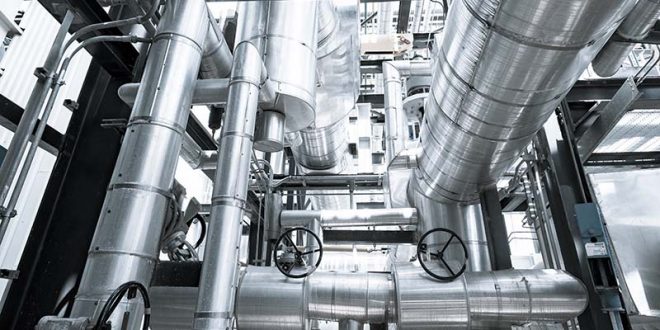
The potato drying section of the process, just before the fryer, requires clean, indirectly heated air, to remove about 15% of the moisture in the potato after they have been blanched.
The cost and availability of energy is a major concern when processing potatoes. The energy demand for a dryer can be reduced by approximately 30% with a properly installed heat recovery system, experts say.
According to the European Commission’s Community Research and Development Information Service (CORDIS), the European potato frying industry consists of approximately 250 known frying lines. Their energy (gas) consumption totals 8 TWh a year, at a value of EUR210m. The corresponding emission is 1.5 Mt CO2. A reduction in fossil consumption by as much as 70% can be achieved through the integration of a high temperature heat pump for waste heat recovery in the deep-frying process.
“Our belt dryer ensures transport of the product within a conditioned room in which conditioned hot air takes care of a controlled and equal drying of the product. The blanched, still hot product, arrives on the belt dryer where, by means of air circulation, the product is dried to be prepared for the next process step. Achieving the correct drying degree, is a complicated, yet controllable process. This will result in an even and constant product outfeed, which is essential for your frying process,” says Kiremko, who is offering the option to reuse heat released from the frying process, for a more sustainable drying stage.
On the other hand, Tummers has recently developed, in close cooperation with Solutherm, the “Emission-to-Energy”, E²E-Condenser. This machine redirects and condenses the steam peelers’ emission, in order to use the excess energy for purposes that take place later in the process. Apart from the standard models, which are dedicated to a certain size of peeler vessel, Tummers also provides custom-made E²E-Condensers. “In order to calculate the required dimensions, we will assess the peeler size, product dimensions, average steam time and based on the customers’ steam costs, we can also perform an accurate pay-back calculation,” Head of Sales Edwin Langbroek explains.
The E2E condenser will then provide a certain amount of energy, and in consultation with the customer, the best use for this energy can be selected and the system adapted around this.
You can read the rest of this article in the Autumn Issue of Potato Business Digital magazine, which you can access by clicking here.