


Asian Spud Farmers to Get Helping Hand Against Climate Change
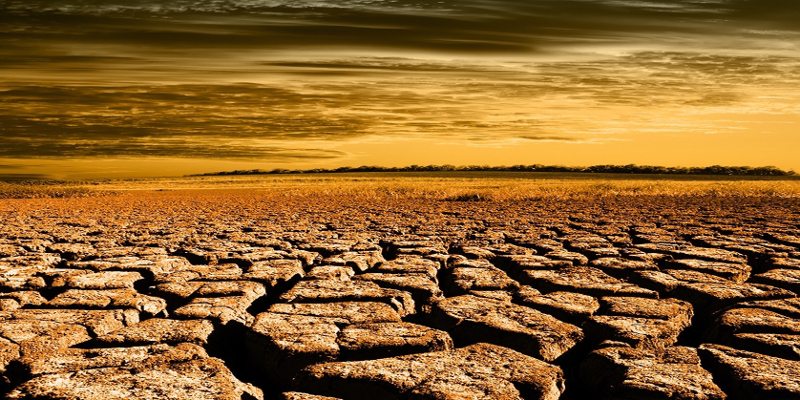
Potato producing farmers in Asia are being given a helping hand to ward off the threats of climate change.
The International Potato Centre (CIP) is working to supply farmers in central and south-west Asia with more resilient breeds of potatoes as part of a three year project.
A Minimum of 200,000 farms in countries like Tajikistan, Uzbekistan, India, and Bangladesh, are expected to take part in the project. If successful it is hoped there will be more reliable harvests for farmers and subsequently price stability in the shops for consumers.
Due to drought and increased temperatures in these countries, potato productivity is generally low. But the CIP hopes to change this by identifying and validating heat, drought and salinity tolerance traits through a programme of strategic exchange and testing of advance clones.
Furthermore a geographic information system will assess the suitability of clones for specific regions while also producing maps and growth models projecting future conditions caused by climate change.
Average temperatures in central Asia have increase by 1-2°C since the 1950s – more than double the temperature increase of the rest of the world. Consequently imported seeds often fail to thrive under these conditions
The CIP hopes that by working with farmers, researchers, regional governments, extension services and policy makers, potato productivity will be increased and stabilised.