

Novel Approach in Reducing a Carcinogen Produced When Cold-stored Potatoes Are Fried
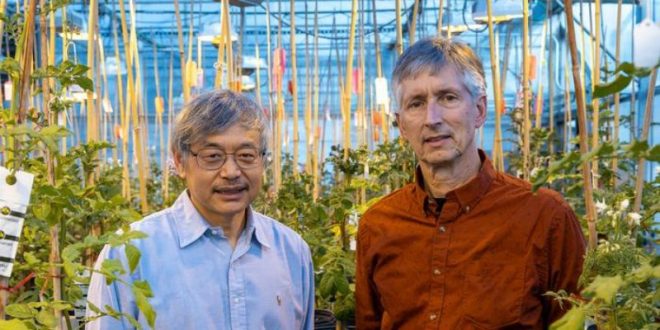
A group of researchers headed by Jiming Jiang and David Douches, professors at Michigan State University (MSU), has made a significant discovery for the snack food industry: they have identified a critical mechanism underlying the darkening and possible health risks linked to potatoes kept in the cold.
Their research, which was published in the journal The Plant Cell on February 20, shows promise for the creation of potato varieties that could withstand cold storage conditions and produce better-tasting chips and French fries. The US market for these snacks is worth billions of dollars. The potato industry in Michigan, which produces the most potatoes for chips in the country, is worth USD240m a year.
However, snack manufacturers require a steady supply of fresh potatoes to meet their demands, and farmers are unable to grow the crops all year round. In addition to ensuring that potato growers have enough to meet demand, cold storage of potatoes causes a process known as cold-induced sweetening, or CIS, which turns starches into sugars.
Fries and chips with a dark hue are produced by processing sugar-filled tubers. Additionally, it produces acrylamide, a carcinogenic substance that is produced during high-temperature processing and has been connected to several health issues, including a higher risk of cancer.
While there are methods for lowering the sugar content of cold-stored tubers, these are more expensive and may change the flavor of the finished product. To produce potatoes that aren’t impacted by CIS in the first place, Jiang and his colleagues have concentrated on the source of the issue.
“We’ve identified the specific gene responsible for CIS and, more importantly, we’ve uncovered the regulatory element that switches it on under cold temperatures. By studying how this gene turns on and off, we open up the possibility of developing potatoes that are naturally resistant to CIS and, therefore, will not produce toxic compounds,” Jiang, an MSU Research Foundation Professor in the departments of Plant Biology and Horticulture, declared, cited by EurekAlert.
Jiang began his work at the University of Wisconsin-Madison to reduce the amount of acrylamide in potato chips and fries to address one of the most important problems facing the potato industry. There, in 2010, a study led by Jiang and colleagues identified a critical gene causing potato CIS. Since relocating to MSU in 2017, Jiang and his group have endeavored to identify the specific gene elements that could be altered to halt the cold-induced sweetening process.
To identify the regulatory element governing the CIS gene, Jiang’s research team—which collaborates with groups at other research universities and on the MSU campus—used a variety of techniques, including enhancer mapping, protein identification, and gene expression analysis.
“MSU’s collaborative research environment and facilities, including the world-class potato breeding program led by Dave Douches, were instrumental for this research. Our next steps involve using this knowledge to create CIS-resistant potato lines through gene editing or other breeding techniques in Dr. Douches’ greenhouses,” Jiang added.
The lead of the MSU Potato Breeding and Genetics Program, Douches put into practice a technique Jiang developed to stop CIS through gene editing.
“All our facilities are on campus so the research work can be done efficiently. With our collaboration, we were able to produce a finding that paves the way for targeted genetic modification approaches to create cold-resistant potato varieties,” he mentioned.
This research has potential applications beyond better snack food quality. Reducing the production of acrylamide in potatoes may affect other processed starchy foods. Furthermore, potatoes that can withstand cold temperatures may provide more versatility in terms of transportation and storage, which could lower expenses and food waste.
Jiang thinks it won’t be long before the new CIS-resistant potatoes are sold commercially.
“This discovery represents a significant advancement in our understanding of potato development and its implications for food quality and health. It has the potential to affect every single bag of potato chips around the world,” he concluded.