


Agassiz Researcher Helps Farmers Battle Potato Blight
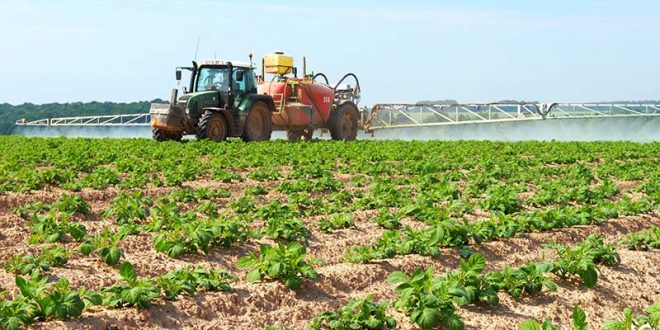
Rishi Burlakoti is a plant pathologist at the Agassiz Research and Development Centre, and he is three years into an investigation on Canada’s potato blight. In 2018, Burlakoti partnered with other Canadian researchers to begin examining where the potato blight was being found in Canada. Perhaps unsurprisingly, given the weather, B.C. had blight in many of the commercial fields he visited. Blight develops best in wet conditions, when the temperature stays between 15 degrees C and 25 degrees C.
“We found if it’s very dry and if there is less rain … the disease may not come,” Burlakoti said about his research. “But in B.C., we found a lot of the disease here.”
That is a problem for commercial growers, as they need to apply fungicide more regularly to protect their plants from the disease. “That means their cost of production will be higher,” Burlakoti said. “At the same time, if they are not able to protect, then they might entirely lose their crop. That is a real issue.”
The researcher explained that having late blight in private gardens can keep the disease alive and flourishing, and that could mean more destructive problems in the future.
“Maybe you’ve heard about the new strains of COVID, right. It’s a similar concept,” Burlakoti explained. “Every couple of years, a new strain of the pathogen will come, and it’s becoming an issue.” Significantly, between 80 and 90% of Burlakoti’s research collection was resistant to metalaxyl, the most commonly applied fungicide for the disease.
If the pathogen develops resistance to the fungicide, it will make it more challenging for growers to manage the disease. “So yes, this is a big issue,” Burlakot said.
Burlakoti’s research partners on the east coast have started to do some outreach to farmers about how they can combat late blight. He’s hoping to do the same in B.C. and said the best thing that farmers can do is use plants that are resistant to late blight. Small farmers can also do their part to prevent water build-up around their plants by building a small shelter over their plot.
“If it prevents the rain, the chance of the disease might be reduced,” Burlakoti said. Applying copper fungicide before late blight is noticed can also help with prevention of the disease. Making sure to properly dispose of infected plant material is also important, as composting infected potatoes or leaves can mean keeping the disease alive long enough to infect the next batch of plants.