

An Energy Management Strategy Pays Off in More Ways than One
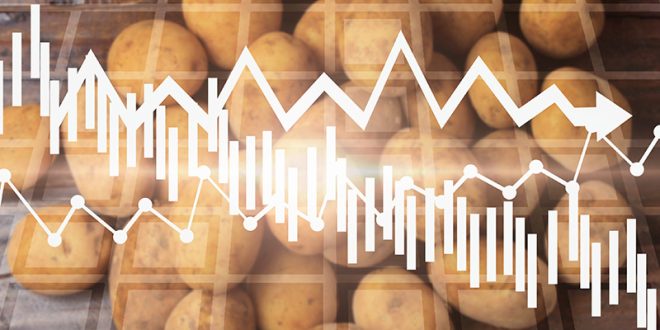
Predictable profitability may suffer in the current potato processing market due to the volatility of energy prices. Investments in energy saving, such as the acquisition of energy-efficient equipment and the adoption of plant-wide energy efficiency policies, can frequently address the difficulty of maintaining good product quality while concurrently lowering production costs.
In addition to productivity improvements, energy-saving solutions can frequently provide other advantages like enhanced output, improved quality, and increased process efficiency. Since increases in saving energy frequently result in lower emissions of greenhouse gasses and other significant air pollutants, this approach is also a crucial part of a business’s overall environmental strategy. In the current manufacturing environment, energy-saving investments are therefore a wise course of action for businesses.
In addition to building lighting and HVAC (heating, ventilation, and air conditioning) systems, the potato processing business uses electricity to run motors, conveyors, compressed air systems, and pumps. Refrigeration, which is utilized for process cooling, cold storage, and freezing applications, is another significant end-use of electricity in the sector.
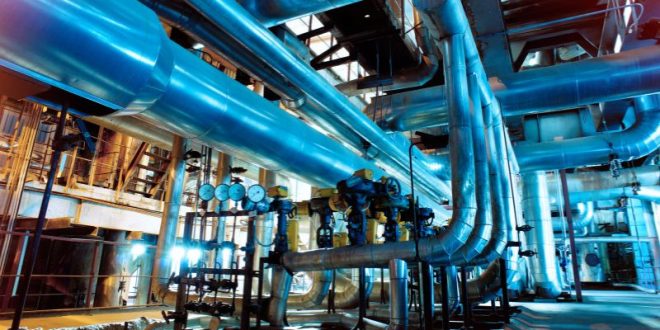
Fuels are primarily employed in boiler systems to generate steam, which is then used in a range of process heating, water heating, and cleaning purposes in typical potato processing plants. In addition, fuels can be used for air heating in building HVAC systems and for direct-fired process heating. Even though the industry occasionally uses coal, residual oil, and distillate oils as fuels (mostly in boilers), natural gas today makes up more than 90% of the fuels utilized in the industry.
Major Energy Consumers
The type of equipment used, the product(s) manufactured, and the configurations of the equipment all have a significant impact on how much energy is used in steam-based operations at specific canneries. For instance, steam blanchers have been reported to use 0.94 kilograms of steam per kg of product (conveyor blanchers without end seals) to 0.37 kg of steam per kg of product (efficient ones with hydrostatic seals). According to reports, the amount of steam used by water blanchers can range from 0.22 kg/kg product (for tube blanchers) to 0.52 kg/kg product (for tank blanchers).
Washing incoming product requires a lot of mechanical agitation and might use either ambient or hot water, depending on the facility. This is another large energy consumer. Water efficiency and hot water energy recovery techniques can be important ways to cut down on process energy usage in washing systems that use hot water.
You can read the rest of this article in your complimentary e-copy of Issue 1 of Potato Business Digital 2024 magazine, which you can access by clicking here.