

USDA Deregulates Additional Varieties of Innate Potato

The US Department of Agriculture has deregulated the Ranger Russet and Atlantic varieties of the second-generation genetically modified Innate potato developed by JR Simplot.
They join the Innate second generation Russet Burbank potato, deregulated last year, according to a news release.
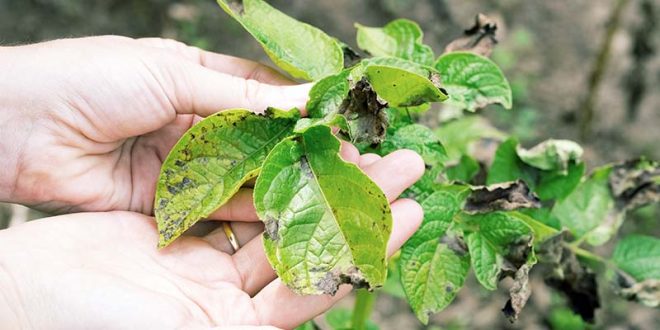
The potatoes were modified to combine late blight resistance—the second generation trait approved—with the first-generation benefits of low acrylamide potential (reducing the presence of a possible carcinogen in fried potatoes), reduced blackspot bruising, and lower levels of reducing sugars, according to the USDA.
“The introduction of late blight resistance in Innate varieties is a game changer, one that has the potential to dramatically reduce the environmental impact of potato growing by reducing pesticide use,” Neil Gudmestad, professor and Endowed Chair of Potato Pathology at North Dakota State University, said in a news release.
According to the release, the second generation Innate potatoes were modified by adding only genes from wild and cultivated potatoes.
The Innate second generation potatoes will reduce waste associated with bruising, blight and storage losses by reducing the waste at multiple stages of the value chain, including in the field, during storage and processing, and in foodservice, according to the release.