

Tasmania Mop-Top Virus Outbreak Extends to Retail Potatoes as Mainland States Impose Curbs

Tasmania’s biosecurity authorities have expanded their mop-top virus investigation after infected potatoes were discovered in retail outlets. The finds are part of wider tracing efforts to define the spread of the virus, which was first detected in July on a farm in the state’s north-west—the first time it has appeared in Australia.
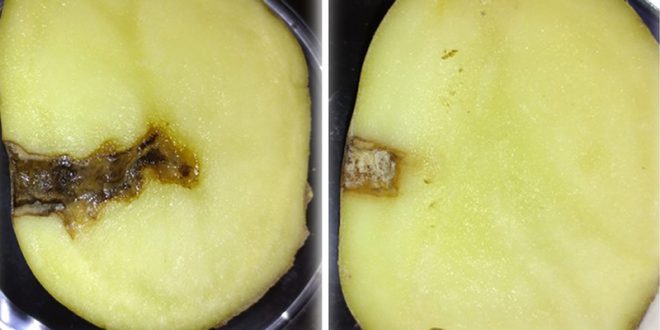
Biosecurity Tasmania has now confirmed eight affected sites across the state: six farms, one research site and one storage facility. The virus poses no risk to human health, but it can reduce yields and cause discolouration and distortion in tuber flesh. Authorities emphasise that potatoes remain safe to eat.
The disease is transmitted by Spongospora subterranea, the soil-borne pathogen that also causes powdery scab. Movement controls on plant material, soil and equipment are therefore a central part of containment efforts.
Mainland restrictions
The outbreak has triggered immediate trade impacts. Victoria, New South Wales and South Australia have all introduced restrictions on Tasmanian potato imports.
-
Victoria has banned imports of seed potatoes, ware and processing potatoes, plants and soil from linked sites. Other consignments must meet strict hygiene, inspection and labelling requirements.
-
New South Wales has issued a Biosecurity Control Order prohibiting seed potatoes and imposing conditions on ware and processing potatoes as well as used equipment.
-
South Australia has amended its Plant Quarantine Standard to include mop-top virus, setting entry conditions for potatoes and other host material.
The Tasmanian Government has formally requested Commonwealth assistance for affected growers as these interstate measures begin to bite.
Tracing efforts
Biosecurity Tasmania is working to link the infected retail potatoes back to their original growing sites. Authorities reported that three further potatoes tested positive last week, highlighting the scale of ongoing surveillance.
Primary Industries Minister Gavin Pearce said: “An Incident Management Team has been established to respond, with tracing work underway and control measures now in place. We will work with both state and national industry groups, our biosecurity experts, and other government jurisdictions on next steps.” He noted that Tasmania had “invested almost $13 million in biosecurity measures in recent times to support Tasmania’s international reputation for premium produce.”