

IAFNS Principles Set Scientific Foundation For Food Processing Classification Debate
A newly published scientific paper by the Institute for the Advancement of Food & Nutrition Sciences (IAFNS) seeks to introduce a more rigorous, evidence-based approach to how foods are classified according to processing and formulation—a topic with growing implications for potato processors, product developers and policymakers.
The paper, Guiding Principles for Science-Based Food Classification Systems Focused on Processing and Formulation, was published in the peer-reviewed journal Advances in Nutrition. It outlines nine principles intended to guide the development of food classification systems that are transparent, reproducible and grounded in established nutritional and biological science.
Responding To Ambiguity In “Highly Processed” Definitions
In recent years, terms such as “highly processed” and “ultra-processed foods” have become increasingly prominent in dietary guidance and public health discourse, despite the absence of globally harmonised definitions. In the supporting documentation for the latest U.S. Dietary Guidelines for Americans, for example, the term “highly processed” is used with reference to both processing and formulation characteristics, but without a fully operational definition.
The IAFNS paper addresses this gap by arguing that food classification systems should clearly distinguish between processing techniques—such as heating, drying, freezing or extrusion—and formulation decisions, including the addition of specific ingredients. According to the authors, conflating these factors risks oversimplifying complex food systems and drawing conclusions not adequately supported by evidence.
Focus On Measurable Health Effects
Central to the proposed principles is the requirement that classification systems demonstrate a credible, science-based link between processing or formulation characteristics and measurable health outcomes. The paper highlights the limitations of relying primarily on observational associations, calling instead for biological plausibility, consistency across studies and transparency in methodology.
The authors further argue that classification frameworks should remain adaptable, allowing for refinement as new scientific evidence emerges, rather than becoming fixed labels that may not reflect evolving understanding.
Why This Matters For The Potato Industry
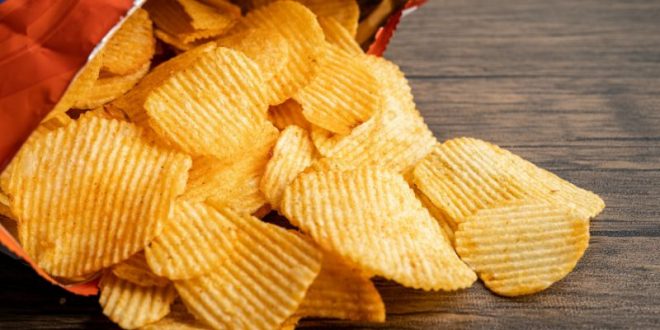
For the potato sector, the issue is far from academic. Potato products span a wide spectrum of processing intensity, from fresh and chilled potatoes to frozen fries, dehydrated flakes and extruded snacks. How these products are categorised in scientific research and policy discussions can influence nutritional perceptions, regulatory scrutiny and market positioning.
Broad or imprecise processing labels may inadvertently group nutritionally diverse products together, regardless of their actual composition or role in diets. The IAFNS principles underline the importance of precision in distinguishing processing methods from formulation choices—an approach that could lead to more nuanced assessments of potato-based foods.
Implications For Policy, Research And Product Development
The publication comes as regulatory authorities in several regions continue to examine how processed foods should be defined within dietary guidance and public health frameworks. By proposing a structured, science-driven foundation, the IAFNS principles may inform future discussions around food classification, research design and policy development.
For potato processors and suppliers, the framework also highlights the value of aligning research and innovation efforts with clearly articulated scientific criteria, particularly when engaging with nutrition science, public authorities or institutional customers.
IAFNS has published additional explanatory materials alongside the paper to support researchers, industry stakeholders and policymakers in applying the principles in practice.