


Blight Alert Issued for Irish Potato Regions as Spray Opportunities Narrow
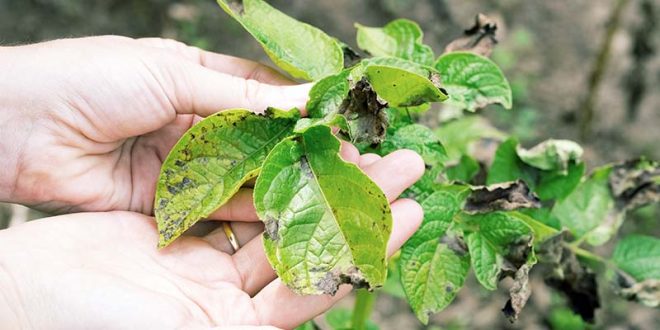
Potato growers across parts of Ireland are being advised to prepare for increased disease pressure after Met Éireann, Ireland’s national meteorological service, issued a potato blight advisory covering sections of the west, south and midlands, with conditions expected to deteriorate further later this week.
The agency said weather conditions favourable to the development and spread of potato blight are expected to emerge from Tuesday afternoon and evening before becoming more widespread between Thursday and Saturday.
The advisory highlights a combination of humidity and unsettled conditions that can accelerate the development of blight, one of the potato sector’s most economically significant crop diseases. Blight can spread rapidly under favourable weather conditions and remains a major driver of crop protection decisions throughout the growing season.
Met Éireann noted that growers may face operational challenges in responding to the elevated risk, warning that there will be “very limited opportunities” for fungicide applications between showers during the early part of the week. Improved conditions for spraying are expected on Wednesday before weather patterns become less favourable again later in the advisory period.
The Irish weather authority issues potato blight advisories to help growers make more targeted crop protection decisions and reduce unnecessary fungicide applications during periods of lower disease pressure.
Blight, caused by a fungal-like pathogen, affects both foliage and tubers. Early symptoms typically include brown lesions developing on leaves, often surrounded by pale or yellow margins. As infection progresses, tubers may develop dark discolouration and internal browning, ultimately leading to rot and quality losses.
For commercial potato producers, elevated blight pressure at this stage of the season can influence spray timing, field access planning and disease monitoring intensity. Limited spray windows can also complicate fungicide programmes where repeated rainfall reduces opportunities for effective application.
Growers in affected regions are being encouraged to monitor local forecasts closely and adjust crop protection schedules accordingly as conditions evolve over the coming days.