

PepsiCo And Fertiberia Expand Low-Carbon Fertiliser Use Across European Potato And Corn Farming

PepsiCo and Fertiberia have agreed a long-term collaboration to scale the use of low-carbon fertiliser across European farmland supplying crops for PepsiCo snack brands, including Lay’s, Doritos, Ruffles and Cheetos.
Under the agreement, Fertiberia will progressively supply PepsiCo with up to 150,000 tons of its Impact Zero crop nutrition products annually by 2030. According to the companies, this would be enough to cover approximately 400,000 acres, or around 162,000 hectares, of farmland used to grow potatoes, corn, sunflower, sugar beet and rapeseed.
The programme will initially launch in France, Romania, Serbia, Greece and Turkey, while expanding in Spain and Portugal. PepsiCo and Fertiberia said the initiative is expected to be rolled out to additional European countries in the near future.
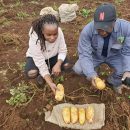
The collaboration follows a pilot project in Spain and Portugal, where switching to Fertiberia’s low-carbon fertiliser reduced emissions by up to 15% in potato farming and by up to 20% in corn farming, according to the companies.
Fertiberia’s Impact Zero fertiliser is produced using green hydrogen instead of natural gas. The company says the product can reduce greenhouse gas emissions by up to 63%. It also incorporates slow-release formulas and biological inhibitors designed to improve agronomic efficiency, support yields and reduce nutrient loss.
PepsiCo said fertiliser production and use currently account for around half of its average potato carbon footprint in Europe, making the category one of the main levers for reducing agricultural emissions. Together with existing supplier agreements, the Fertiberia collaboration is expected to bring the share of low-carbon fertiliser used in PepsiCo’s European supply chain to around 50% by 2030.
“We’re working to lead the way on regenerative agriculture and helping to build a more resilient agricultural supply chain. Switching to low-carbon fertiliser is one of the strongest levers we have to reduce agricultural emissions, and use of digital technology can complement this journey towards food system transformation. We’re excited by the success of our pilot in Spain and Portugal and look forward to scaling this ambitious partnership across Europe,” said Archana Jagannathan, Chief Sustainability Officer, PepsiCo Europe, the Middle East, and Africa.
The two companies will also support farmers with technical guidance and digital tools, including precision agriculture technologies intended to optimise fertiliser application and track regenerative agriculture practices.
“Since 2022, we have been developing lower-carbon hydrogen-based fertilisers, powered by cutting-edge technology such as NSAFE, the world’s first bio-inhibitor of nitrification that prevents nitrogen losses and accelerates the transformation of European agriculture. Today, this journey takes on greater meaning thanks to the trust of partners like PepsiCo, with whom we are collaborating to help decarbonise agri-food value chains. This is not just about fertilisers – it’s about demonstrating the importance of collaboration and showing that innovation, when shared, can drive both climate action and food security across Europe,” said David Herrero, Chief Operating Officer at Fertiberia.
The agreement supports PepsiCo’s wider target to implement regenerative, restorative or protective practices across 10 million acres globally by 2030. The company said it also contributes to its goal of reducing Scope 3 forest, land and agriculture greenhouse gas emissions by 30% by 2030, against a 2022 baseline.