

Potato Growers Talk about Force Majeure regarding Weather Conditions This Year

The growers’ associations are worried about the potato production this year, due to weather conditions and drought that hit Europe. Some of them have already mentioned a natural catastrophe, which will soon also involve the processing sector.
At the beginning of this month, the UK Agriculture and Horticulture Development Board (AHDB) estimated that the total area in Great Britain planted with potatoes is 119,000 hectares (ha), a fall of 3% on the previous year, which would represent the third-lowest planted area on record. The news comes in a challenging season for potato growers, with an agricultural drought likely to affect yields.
More than that, the North-Western European Potato Growers (NEPG) reports that it is obvious that the next potato crop will be much lower and quality issues will be a main challenge. NEPG accuses extreme record drought and exceptional temperatures all over the main potato growing countries in Europe.
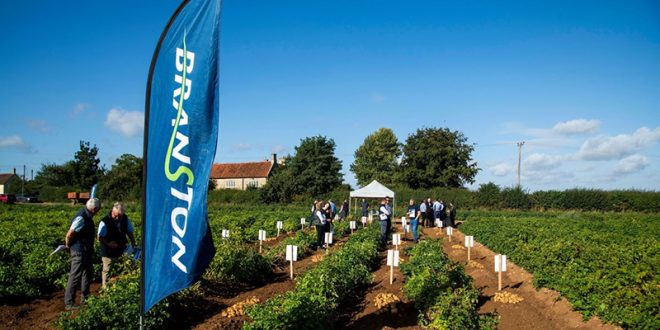
One of the most important problems reported by the association is that not even 50% of the North-Western potato acreage can be irrigated inspite of the high costs irrigation pumps, which are working day and night. Some countries have even imposed restrictions, so irrigation can be forbidden for a few hours a day, or the volumes of water allowed for irrigation can be decreased.
Nature Catastrophe
In Belgium, France and Germany the farmers’ unions are in discussion with the clients or are expected to hold meetings in the upcoming week. Some governments are asked to declare this situation as a “nature catastrophe”, so the growers could claim Force Majeure to their clients and not be forced to supply the already contracted volumes.
The NEPG says it will regret if processors the contract issues with their growers on and individual base and suggests an overall pan North-Western approach.
“This dry season and the change of climate is also a challenge for the potato supply chain to reconsider the contracts and market risks for the near future. The processing industry needs more potatoes every year and the risk of growing increases proportionally. Now all risks are directed to the growers,” NEPG says.
The association suggests the COPA Potato Working Group of the EU to start discussions with EUROPATAT (European Potato Traders Association) and EUPPA (European Potato Processors Association).
It also admits that probably the lower overall yields will also effect the yields for seed potatoes for next season.
AHDB Reacts
After the announcement made by NEPG, Aidan Wright, AHDB analyst, said that with approximately 70% of the mainland NEPG potato area under contract, a reduction in yields would drive UK buyers onto the free-buy market, to meet shortfalls in contracted volumes. With limited potatoes expected to be available on the free-buy market this year and increased competition, prices on the continent are likely to stay supported throughout the season.
Over the past five years (2012-17) the UK has imported 281kt of fresh potatoes from the EU each season, on average. A reduction in European production is unlikely to reduce imported volumes as in 2012/13, a season of low supply caused by adverse weather, the UK still managed to import 683kt of fresh potatoes. However, the likely price increase of these supplies over the season means that cheap European imports are unlikely to act as a cap on domestic prices this season, for some markets. This may exacerbate the problems that are expected to emerge in the domestic market this year, according to AHDB.
Profel, also Concerned
The European Association of Fruit and Vegetable Processors – Profel says that with the hot and dry weather continuing throughout July across most parts of the continent, vegetables have continued to suffer and crop yields have fallen sharply.
“Today the situation for vegetable growers and processors is the most serious that has been experienced in the last forty years. 2018 is the third year in a row that the sector has faced serious weather related issues, exposing the vulnerability of European vegetable growers and processors to changing European weather patterns. This year’s weather has particularly impacted the frozen and canned vegetable sector, where field losses have resulted in reduced and irregular deliveries of fresh vegetables to the processing factories, leading to increased production costs and less products processed,” Profel says.
The situation is also severe in other regions. For example, the entire Australian state of New South Wales (NSW) has been declared in drought after a drier-than-expected June and July. According to the NSW Department of Primary Industries, 61% of NSW is either in drought or intense drought, while nearly 39% is drought-affected. Australian farmers are struggling with failing crops and low water supply, the local press reports.