

The Pale Potato Cyst Nematode Presence in Latvia Triggered Phytosanitary Measures
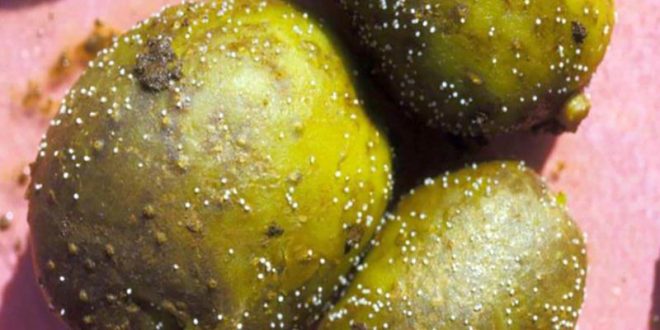
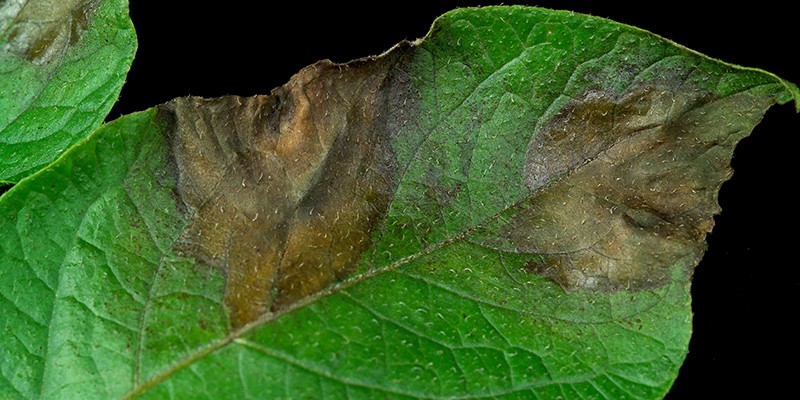
The pale potato cyst nematode (Globodera pallida), a pest that has never before been observed in Latvia, has been found in a potato farm in Zemgale.
The State Plant Protection Service (Valsts augu aizsardzibas dienests – VAAD) revealed in a statement on June 3 that the bacterium was discovered in a 10.33-hectare potato field.
According to LSM.lv, phytosanitary measures have been established for the infected field, including a six-year ban on the cultivation of seed potatoes, the cleaning of agricultural tools after each use, and the cultivation of plants resistant to pale cyst nematodes in areas where it is possible to eliminate the risk of spreading.
VAAD must conduct an in-depth inspection to discover how the organism entered the field.
In Latvia, a congenial species of nematode – the golden nematode (Globodera rostochiensis) – has previously been identified.
Both nematodes have been distributed worldwide and have also been identified in Europe (Germany, the Netherlands, Estonia, and elsewhere).
Within areas with warm, temperate, or freezing climates, potato cyst nematodes can seriously harm potatoes. Yields might drop by up to 80% when there are high nematode concentrations in the soil.
Seed potatoes contaminated with nematodes and dirt clinging to farm equipment and vehicles while working in an infected field are the vectors for nematode transmission. There is little natural distribution.
The infected potatoes can be food-processed and won’t affect people.