

Egypt Aligns with New EU Regulation to Strengthen Potato Export Competitiveness
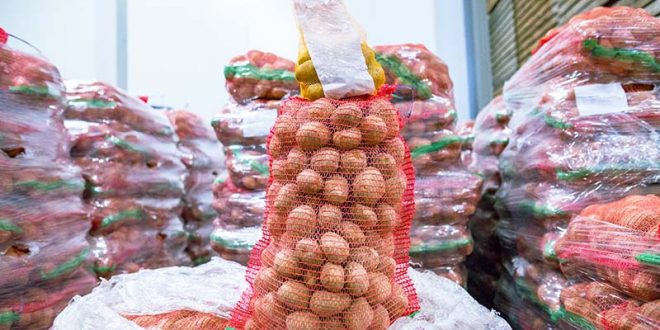
Egypt has implemented a newly issued European Union regulation that will facilitate the export of Egyptian table potatoes to EU markets, marking a significant development in the country’s agricultural trade policy.
Regulation No. 1289/2025, adopted under the directive of Egypt’s Minister of Agriculture Alaa Farouk and supervised by Ahmed Essam, head of the Agricultural Services and Monitoring Sector, introduces revised export conditions designed to streamline procedures and reduce costs. The regulation was published in cooperation with European authorities and reflects months of joint technical work.
Mohamed El-Mansy, head of the Central Administration of Plant Quarantine, stated that the regulation is the product of coordinated efforts involving Egypt’s Plant Quarantine Authority, the Brown Rot Control and Survey Project, and the Supreme Committee for Potato Export Regulation at the Ministry of Investment and Foreign Trade.
“These amendments will streamline the export process for Egyptian potatoes cultivated in brown rot-free zones,” said El-Mansy. “They are also expected to lower the cost of sample analysis upon entry into the EU.”
Among the key revisions are an increase in the allowable shipment weight and a reduction in the number of inspection samples required for export consignments. These changes are expected to enhance logistical efficiency and improve the competitiveness of Egyptian produce in European markets.
The Ministry of Agriculture and Land Reclamation reported that Egypt’s potato exports surpassed 1.3 million tonnes for the first time, setting a new record and reflecting robust international demand. El-Mansy emphasized that the new regulatory framework supports Egypt’s strategy to expand its agricultural export footprint and maintain compliance with international phytosanitary standards.
“The new rules align with EU plant health standards and reinforce Egypt’s standing as a key agricultural exporter to Europe,” he added, while thanking both domestic and international stakeholders who participated in the drafting process.
The regulation is expected to deliver a tangible boost to Egyptian exporters during the upcoming shipping season and solidify the country’s role as a strategic supplier to European fresh produce markets.