

Potato Chips: A Hive of Activity
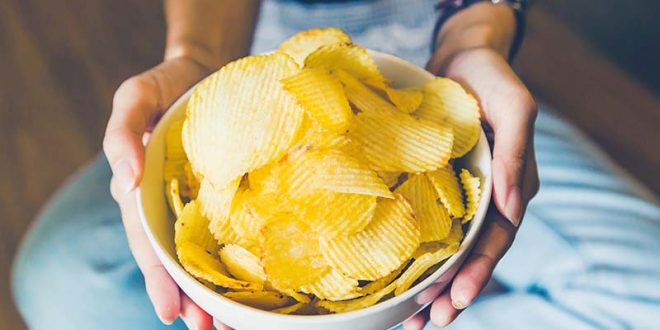
Potato chips (or crisps, as they are more frequently called in markets such as the UK) remain one of the most popular forms of snack food throughout the world. They have continued to retain their popularity despite increased competition from various other types of snack foods – examples include nuts, popcorn, confectionery, fruit, biscuits, dairy products (e.g. yoghurts and cheese) and hot-eating snacks (such as microwaveable sandwiches).
by Jonathan Thomas
The global market for potato chips and crisps is currently worth around $30bn, with sales highest in western markets such as the US and larger Western European countries, as well as in various emerging economies (e.g. China). Within the last few years, annual growth rates have been rather limited in mature markets such as the US, with consumption rising at a faster pace in countries such as China, India and other parts of Asia and Latin America. Whether this continues in the foreseeable future depends upon how well these parts of the world recover from the economic damage caused by Covid-19, since any protracted downturn in spending could adversely affect sales of snack foods.
Notable product trends in the market at present include efforts to cater towards greater health requirements from consumers and the authorities, as well as developing more novel flavor varieties to cater towards more sophisticated consumer tastes. Both these trends will be discussed in more detail shortly.
Manufacturers have also sought to develop more novel textures for their products. Recent activity indicates that thicker, ridge-cut varieties command a sizeable following in markets such as the UK, as can be illustrated by the success of brands like McCoys from KP Snacks. The desire for different textures has also contributed to the growth of the market for batch-fried products, or kettle crisps/chips as they are often called. These are prepared using a process known as batch cooking, which results in harder and crunchier products, as well as caramelizing the chips to a deeper and more distinctive color. However, fluctuations in temperature during the batch-frying process risk creating heat damage to the oil, while kettle-style products tend to absorb up to 35% of the frying oil (which is slightly lower than regular varieties produced via a continuous system).
You can read the rest of this article in your complimentary e-copy of the May/June Issue of Potato Processing International magazine, which you can access by clicking here.