

Oil Filtration Principles and Solutions
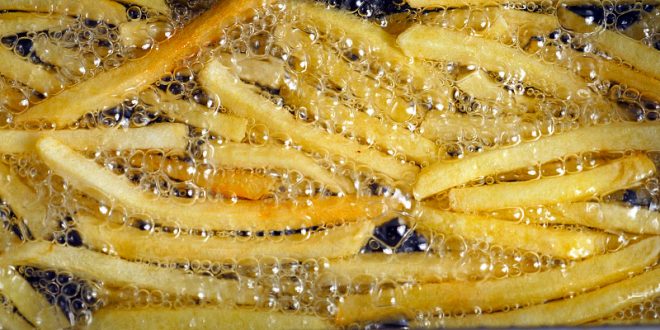
In frying, the oil itself is just one of many factors that determine oil longevity: the quality of the fried product, the equipment and the process also impact how long oil can be used. To achieve the best results, it is important to minimize the ‘oil enemies’ like carbon (food particles) and air through oil filtration and steam blanketing.
by Tudor Vintiloiu
The design of the fryer also plays an important role. It should be easy to remove crumbs and to clean. Also, the temperature of the oil heating system should be as low as possible, minimizing oil exposure to excessive heat.
In continuous frying, oil performance is determined by turnover. The higher the turnover, the more the fresh oil is topped and the longer the oil’s longevity will be. Oil turnover is determined by the oil volume in the fryer and the amount of oil absorbed by the fried food.
Oil Degradation
Oil quality is intrinsic to creating high-quality, healthy snack products. However, when frying potato products, cooking oil can quickly degrade as a result of a number of factors such as oil type, temperature, and the processing method. This not only reduces oil quality but also disrupts cooking efficiency, making it harder to clean the fryer and ultimately compromising product quality. Frying with degraded oil can also trigger serious health-related side effects due to the increased levels of fatty acids, oxidized lipids, and acrylamides in the product.
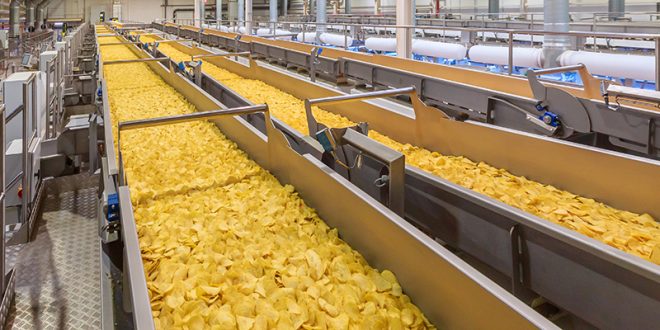
In most frying operations, the fatty acid level of the oil will rise to an unacceptable level if the total volume of oil in the system cannot be turned over within a set time. Turnover occurs by the pickup of oil into the products as they pass through the fryer. Depending on their physical characteristics, most products absorb oil during the initial stages of frying, lowering optimum oil levels. Potato slices, for example, can absorb anywhere between 24% and 40% of oil. For this reason, a fresh oil infeed is necessary for oil levels to return to 100% and ensure the product is cooking in the freshest oil possible for optimum quality.
Producers are increasingly looking toward new ingredients as a possible solution to improving the quality and healthfulness of their products, including the type of cooking oil. From canola, sunflower, and olive oil to coconut and corn oil, they are inundated with choice. While some oils are closely linked to health, such as olive oil, due to its high levels of monounsaturated fatty acids, others, such as coconut oil, have distinct flavor profiles. As a result, the selection of oil is key when it comes to meet ever-evolving consumer demands.
You can read the rest of this article in your complimentary e-copy of the September/October Issue of Potato Processing International magazine, which you can access by clicking here.