


Scientists create low-acrylamide potato lines
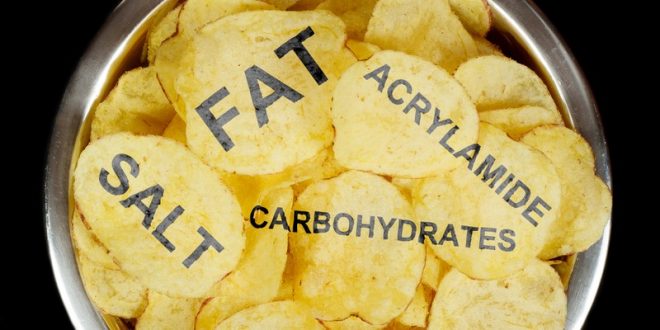
First discovered in foods in 2002, acrylamide is produced whenever starchy foods are fried, roasted or baked, meaning it’s found in everything from doughnuts to coffee beans.
But fries and chips are relatively high in acrylamide compared to most starch-based snacks, and potato processors are eager to change that.
University of Wisconsin-Madison plant geneticist Jiming Jiang, a professor of horticulture, has a solution. As described in the current issue of Crop Science, his lab has developed a promising new kind of potato that helps cut acrylamide, an innovation he created with support from USDA-ARS plant physiologist Paul Bethke, an assistant professor of horticulture. As a bonus, those potatoes also could help producers significantly reduce food waste.
The problem starts with storage. Because fry and chip processors need potatoes year round, most of the fall harvest goes into storage, where low temperatures can cause simple sugars to accumulate in the tubers, a phenomenon known as “cold-induced sweetening” in the industry. During cooking, those sugars react with free amino acids to produce acrylamide. The same reaction also causes fries and chips to turn dark brown during processing, making them unsalable.
Jiang’s solution is to insert a small segment of a potato’s own DNA back into its genome. The extra DNA helps block a single gene – the vacuolar acid invertase gene, which codes for an enzyme – that’s responsible for converting sucrose into glucose and fructose, the sugar culprits that cause both acrylamide formation and browning. Through this process Jiang has created a number of potato lines that produce very little acrylamide when cooked.