

Industry Trends: Exotic Cuts
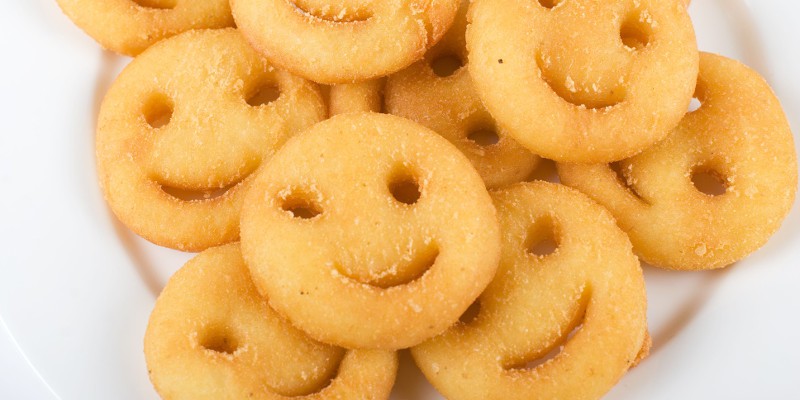
As consumers are increasingly chasing product diversification and the unique, exotic shapes, we’ve analyzed with Key Technology’s John Kadinger the processes involved into manufacturing them, step by step.
By Aleksandar Stajcic
Either theme-shaped as Easter bunnies, fish, football boots, or home-style snit, sticks, wedges, wave cuts, potatoes are increasingly getting “dressed up” for various occasions and the trend is here to stay. John Kadinger, market manager with Key Technology, gave us insights what entails to achieve special cuts.
Although lines that produce straight, “regular” cuts are not very different from those delivering exotic cuts, a certain degree of equipment customization is required: “One difference is at the cutter, where straight cuts and wedges are usually produced with a hydro-cutter, and exotic cuts are produced with specialty mechanical cutters, such as those from Urschel.
The other major difference in equipment is the ADR system, which is found on most lines producing straight and wavy cuts, and which must be bypassed when producing other exotic cuts. Most other equipment can be easily changed over or adjusted to accommodate straight cuts and most exotic cuts,” John Kadinger explained.
Diversity and Efficiency
Most lines will withstand multiple types of cuts. Some shapes will produce more waste, like twisted or curly fries, which can be 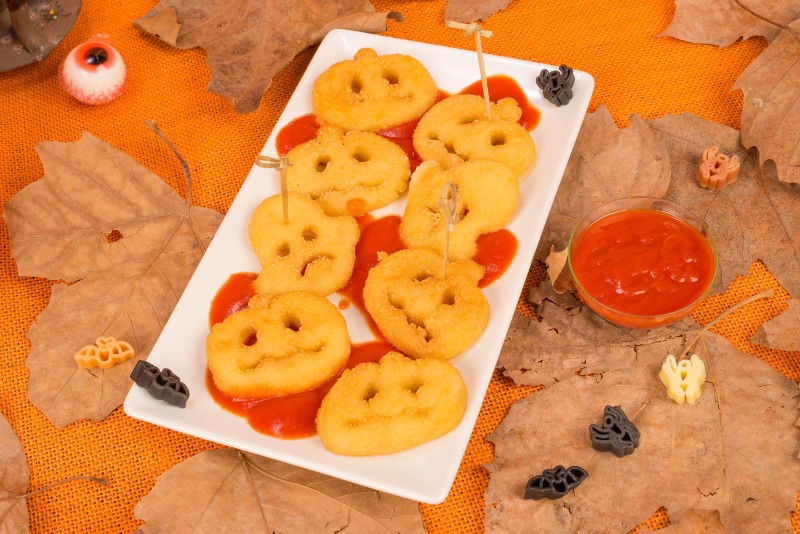 re-purposed to minimize losses for other products like hash browns. “To optimize production lines manufacturing exotic cuts, it is important to efficiently align and feed whole potatoes to the cutter. This is almost as important as leveraging whole potato sizers and graders to ensure only potatoes that are the ideal size for that exotic cut are processed,” he added.
“Overall, we are seeing a trend toward producing a wider variety of cuts, including more with seasonings and coatings. In addition, processors are using more potato varieties such as purple, Yukon Gold and others.”
“In developing markets, the trend is for lines to produce a wider range of cuts while established markets have more specialized lines. One trend that never goes away is the push to improve efficiency and optimization with processors working to maximize the output of primary high value products with minimal loss. Even with that optimization, we are seeing some potato processors concerned with recovering small product that can be used to manufacture co-products because every piece of potato that is diverted from waste to the creation of value increases profitability,” said Kadinger.
Read the whole story, including insights on types of knives required, equipment choices, processing line adaptation to fit exotic cuts, and more, in Potato Processing International, July/August issue.