Maine Potato Farmers Concerned Over Dry Weather
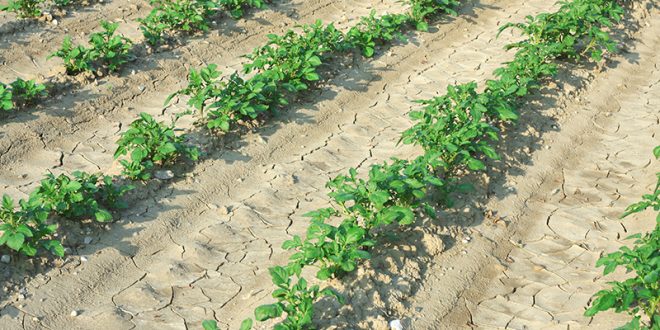
Maine potato farmers are increasingly worried about their crops as the northern part of the state experienced one of the driest summers on record, reports show.
In Aroostook County, which is is going through a severe drought, there has been no heavy rain since before Memorial Day, potentially reducing the yield, said Don Flannery, executive director of the Maine Potato Board. Instead, there have been scattered showers that have helped some farmers but have left others high and dry. “I’ve been around the potato industry for all my life, and I don’t ever remember it being this dry,” Flannery said.
The National Weather Service in Caribou reports that it could end up being the driest summer since records were kept. There have been only 4.94 inches of rain since June 1, which is about 5 inches (12.7 centimeters) below normal, said meteorologist Joe Hewitt. The driest summer on record was 5.6 inches in 1995.
Across the region, most of the potato plants look healthy because there’s been enough water to keep them green. But there’s not been enough water for the potatoes to grow under the surface, say farmers.
Nearly a third of the acreage is irrigated, protecting them from the worst of the drought, said Dominic LaJoie, president, LaJaoie Growers LLC, which has 1,600 acres (6.5 square kilometers) around Van Buren. But it’s so dry that the ponds and wells that provide water for irrigation are drying up too, LaJoie said.
Until the 1940s, Maine was the nation’s potato capital and the vast majority of farms remain in Aroostook County, which is roughly the same size as Connecticut and Rhode Island combined. The number of farms has dropped because of consolidation but acreage has stabilized in recent years at about 50,000 acres (202 square kilometers).
It remains big business — the crop typically is valued at about USD150m — with potatoes being shipped to supermarkets and to processing plants to be made into chips and French fries.
“We have so much money invested in these acres that low yields are an economic strain on any operation. If the growers are stressed on income, then so are the surrounding businesses because we don’t have the money to spend in local businesses. It affects the whole region,” LaJoie said.
The dry weather in northern Maine also stretches into New Brunswick and Prince Edward Island, two potato-growing Canadian provinces.