

European Parliament Backs Key Reform to Strengthen Potato Growers’ Position
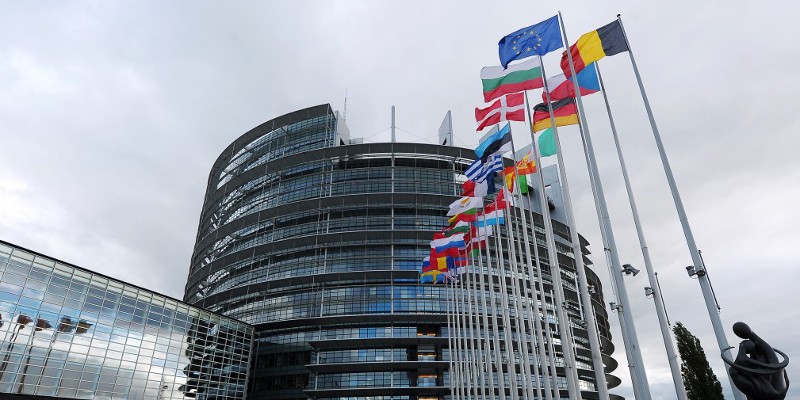
The European Parliament has taken a decisive step in reforming the Common Market Organisation (CMO) of the Common Agricultural Policy (CAP), adopting two compromise amendments tabled by rapporteur Céline Imart. The amendments, strongly supported by the French National Union of Potato Producers (UNPT), represent a significant political breakthrough for farmers—particularly for potato growers in France and across Europe.
For nearly a decade, the UNPT has advocated for an adaptation of EU law that would allow potato growers to join several producer organisations (POs) when their crops are intended for distinct, non-competing markets. Under current EU regulations, a producer may belong to only one PO per product or crop. In practice, this forces potato growers to align with a single type of market—such as table potatoes, fries, chips, flakes, or non-food uses—despite the fact that these segments operate under very different economic and agronomic conditions.
By approving this reform, Parliament has effectively lifted a long-standing restriction. The proposed framework introduces the possibility of multi-membership in several non-competing POs for the same product, within a legally secure environment. This recognition of the potato sector’s specific characteristics provides producers with new tools to strengthen their collective organisation across market outlets. It also paves the way for a more coherent and resilient production structure, especially for the processing industry.
The Imart Report will now proceed to trilogue negotiations. The UNPT urges European institutions not to dilute the proposal’s intent and to enshrine this progress definitively in the final regulation.
In a statement, the organisation called on all existing producer groups to seize this opportunity “to collectively strengthen the position of growers within the value chain,” pledging to support them throughout this transition.
According to the UNPT, this achievement crowns years of sustained union action carried out alongside the FNSEA and in dialogue with both French and European institutions. It demonstrates the agricultural profession’s capacity to shape EU policy to secure the economic future of producers and their value chains.