

Ausveg Moves From Eradication To Management In PMTV Response
The national industry body representing Australia’s potato growers, Ausveg, has outlined the next phase of the country’s response to Potato mop-top virus (PMTV), marking a transition from eradication efforts to long-term management. The update was delivered at a forum held on 23 October in Bungaree, Victoria, organised by Seed Potatoes Victoria and AuSPICA.
PMTV has to date been confirmed only in Tasmania. As a precaution, restrictions and conditions remain in place in Victoria, New South Wales, and South Australia on the movement of potatoes from Tasmania to the mainland. The change follows the determination by national biosecurity authorities that complete eradication of the virus is not technically feasible.
Biosecurity Tasmania has now begun winding down its formal emergency response, transferring responsibility to industry stakeholders under a management framework integrated within standard production and biosecurity systems.
Ausveg said it supports a consistent, science-based national approach to ensure the safe movement of seed, ware, and processing potatoes while maintaining trade continuity and minimising biosecurity risks. “As the national biosecurity focus moves to management of PMTV, Ausveg is committed to promoting a biosecurity approach that enables business continuity, trade and market access for the seed, ware and processing potato industry through uniform testing, tracing and trade protocols, as part of our ongoing efforts to protect and progress the interests of Australian potato growers,” said Ausveg CEO Michael Coote.
To strengthen coordination across jurisdictions, Ausveg will convene a national meeting in Melbourne on 18 November. The event will gather representatives from federal and state biosecurity agencies, chief biosecurity officers, and industry groups to define consistent procedures for the safe, risk-based movement of potatoes across Australia.
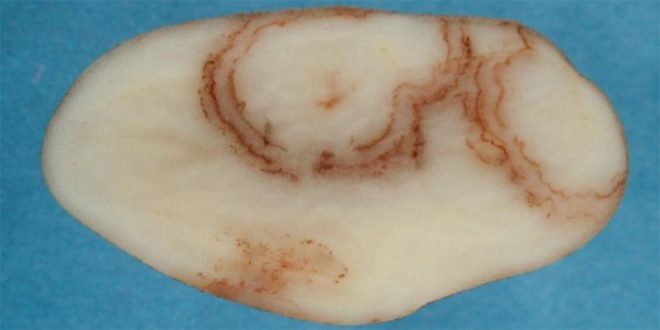
The detection of PMTV in Tasmania earlier this year raised significant challenges for the country’s potato sector. Although the virus can affect tuber quality and yield, authorities have confirmed that it poses no risk to human health and that affected potatoes remain safe for consumption.
In parallel, Ausveg is collaborating with the Commonwealth Government and Plant Health Australia to explore reimbursement and compensation mechanisms for growers who have experienced losses or incurred costs under biosecurity orders issued as part of the PMTV response. Legal and administrative frameworks are still being developed and will be communicated once finalised.
The transition from eradication to management represents a major policy shift for Australia’s potato industry. The focus now turns to ensuring a uniform, science-based system capable of balancing biosecurity integrity with the operational and commercial realities of the seed and processing sectors.