

EuroBlight Early Results From 2025 Set Baseline For 2026 Late Blight Season
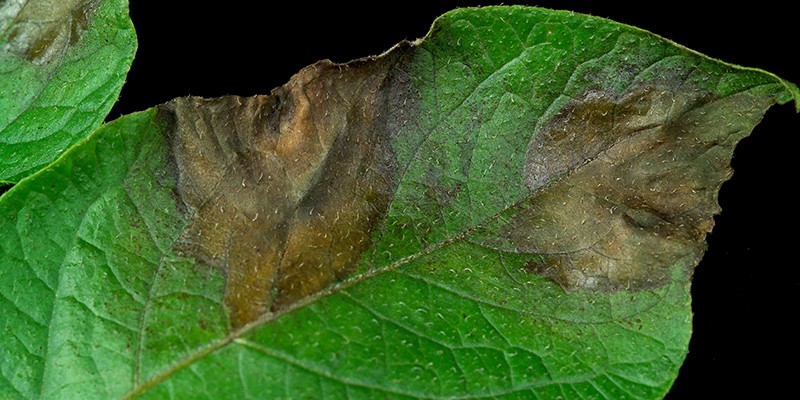
The EuroBlight network has released its first set of genotype monitoring results from the 2025 potato crop, providing early insight into the Phytophthora infestans population that will form the biological starting point for the 2026 growing season.
Published in mid-December, the early data reflect samples collected across Europe during a season characterised by generally low late blight pressure. According to EuroBlight, dry and warm conditions in many regions during spring and early summer limited disease development, reducing overall infection levels and the number of samples originating from commercial crops.
Despite this, more than 1,200 samples had already been genotyped by the time of publication, offering an initial snapshot of which pathogen lineages persisted under comparatively unfavourable conditions for blight development. EuroBlight notes that a proportion of the samples came from field trials, volunteer plants and non-commercial settings, a factor that should be taken into account when interpreting the early results.
While the data relate to the 2025 crop, their relevance extends directly into the 2026 season. Late blight populations do not reset between seasons, and surviving genotypes can carry over via infected seed, volunteers and other inoculum sources. As a result, the lineages identified at the end of 2025 represent the baseline population that growers and advisers will face when crops are planted in 2026.
EuroBlight emphasises that years with low disease pressure can still provide valuable insight, particularly in identifying genotypes capable of persisting despite limited opportunities for infection. These surviving populations may become more visible if wetter or more conducive conditions emerge in subsequent seasons.
The early release is intended to support pre-season planning rather than provide a definitive picture of the European late blight population. EuroBlight states that further samples are expected to be processed, with additional updates to follow as the dataset expands and becomes more representative of commercial production.
For growers, agronomists and the wider potato supply chain, the data form part of the decision-making context ahead of the 2026 season, particularly as fungicide strategies are reviewed during the winter months and planting material harvested in 2025 enters the supply chain.
EuroBlight has made the early 2025 results publicly available through its online database and stresses that continued monitoring remains essential as climatic conditions, cropping patterns and regulatory frameworks continue to evolve.