

Dutch Farm Cuts Labor Dependency With Optical Sorting Investment
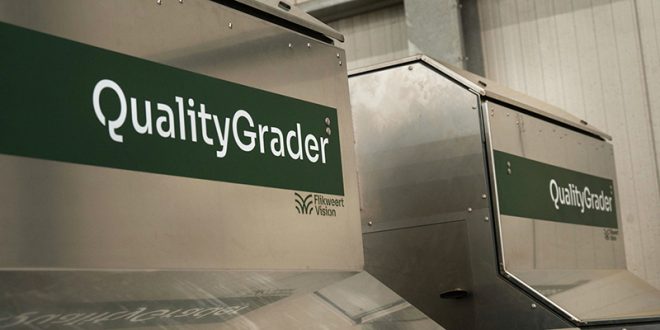
A Dutch family farming business combining dairy and arable operations has restructured its sorting workflow following the adoption of optical sorting technology from Flikweert Vision, according to a company case study.
The farm, led by Mark and Jos de Nijs, operates across two locations in Slootdorp and Anna Paulowna. While the dairy unit remains the core of the business, an arable branch established six years ago focuses on seed potatoes and sugar beets under a coordinated cropping plan. Responsibilities are split between the two owners, with Mark managing the dairy herd and Jos overseeing arable production and sorting.
Labor Pressure Drives Technology Adoption
According to the case study, sorting activities previously relied heavily on manual labor, requiring multiple workers on the line and extending operations into the winter months. This created both cost pressure and variability in output.
“We want to limit the use of external labor as much as possible while still delivering consistent quality,” said Jos de Nijs, arable farmer and co-owner.
The dependence on seasonal or external labor is a recurring constraint in seed potato operations, particularly where grading accuracy and throughput must be balanced against limited workforce availability.
Co-Investment Model Enables Upgrade
A key factor in the transition was a shared investment with neighboring farmer Jaap Reselman, allowing the business to adopt optical sorting technology without bearing the full capital cost alone.
After evaluating multiple suppliers, the farm selected Flikweert Vision’s QualityGrader system, citing compatibility with the existing sorting line and positive references.
The approach reflects a broader pattern in primary production, where collaboration between farms is used to de-risk capital-intensive technology adoption.
Integration Into Existing Line
The installation was preceded by modifications to the sorting line based on technical drawings, enabling integration of the optical sorter without a full system overhaul. The phased investment approach allowed gradual implementation.
According to the company, the system has operated reliably under typical farm conditions, including exposure to dust, and has been incorporated into daily operations without significant disruption.
“The service department is easy to reach and helpful with questions or adjustments,” said Jos de Nijs and Jaap Reselman.
Reported Gains In Throughput And Consistency
Flikweert Vision reports that the introduction of optical sorting has led to a more structured workflow, with increased sorting speed and improved consistency in product quality.
The higher processing capacity allows a larger cultivated area to be handled within shorter timeframes, reducing the need for manual labor and freeing up time for fieldwork and maintenance.
The case study also notes a positive response from employees, linked to changes in workflow and reduced reliance on manual sorting tasks.
Next Step: Optical Selection
Looking ahead, the farm is considering the addition of optical selection capabilities for seed potatoes, identified as another labor-intensive stage in the process.
Further automation is expected to address remaining bottlenecks while supporting consistency requirements in seed potato production.