


From Fertilizer To Energy, Cost Pressures Intensify For Australian Vegetable Growers
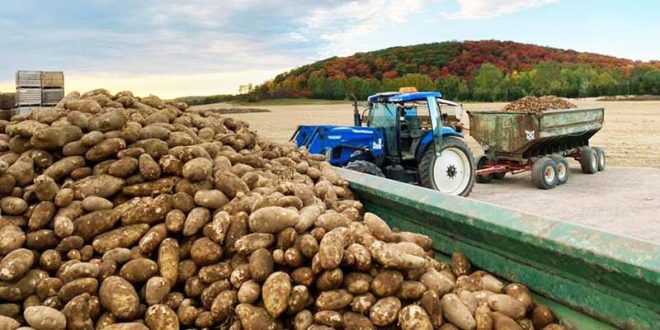
One month into 2026, Australian vegetable growers continue to operate under sustained cost and price pressure, as elevated input costs, international volatility, and renewed inflation weigh on farm profitability.
Many of the cost drivers that affected growers throughout 2025 remain unresolved, while additional risks have emerged. The latest domestic inflation data shows the Consumer Price Index (CPI) rose 3.8% in the 12 months to December 2025, up from 3.4% in the year to November, reinforcing concerns around cost escalation across the supply chain.
The 2025 Vegetable Industry Sentiment Report published by AUSVEG highlighted the scale of pressure facing the sector, revealing that two in five vegetable growers were seriously considering exiting the industry. Higher input costs and unviable returns were cited as two of the primary drivers behind this sentiment.
Compliance And Regulatory Costs Remain A Key Burden
Beyond input prices, the cost of compliance continues to weigh heavily on grower profitability and long-term viability. These challenges were outlined in AUSVEG’s Horticulture Compliance and Regulation – reducing the burden by 2030 report, which detailed the cumulative impact of regulatory requirements and proposed recommendations aimed at easing these pressures over the coming decade.
Global Volatility Adds To Input Price Risk
Geopolitical instability remains a significant source of uncertainty. Ongoing tensions and unrest in the Middle East, Latin America and Europe continue to raise the risk of supply chain disruption, changes to trading terms, and volatility in global commodity markets.
Within this environment, there is potential for renewed upward pressure on prices for imported inputs, which Australian vegetable growers rely on heavily. As an import-dependent market, Australia often experiences price movements well before any physical supply constraints become apparent.
Fertilizer: Urea And Phosphates Under Watch
Australian demand for granular urea has remained subdued, however expectations of price increases have emerged following recent tender activity from India and Brunei.
In November 2025, Australia imported 194,500 tonnes of urea, more than double the volume imported in the same month in 2024. Granular urea was assessed at A$760–770 per tonne free-carrier-alongside (FCA) Geelong in December, down from levels above A$900 per tonne in September. Data indicates a modest uptick in Australian urea prices during January 2026.
Supply chain volatility remains a key risk factor. In January 2026, US President Donald Trump announced an additional 25% tariff on countries trading with Iran. Iran accounts for around 10% of global urea exports, and political instability, combined with the threat of secondary tariffs, has the potential to tighten global supply and increase competition for alternative sources.
For phosphates, local demand for MAP and DAP has remained strong, although contracting activity softened slightly after a strong lead-up to Christmas. According to GrainGrowers’ latest fertiliser report, approximately 373,000 tonnes of MAP and DAP were in transit to Australia across nine vessels in late December.
Diesel And Fuel Security Concerns Persist
Diesel prices eased in early January after exceeding 190 cents per litre in October 2025, before showing signs of an uptick. Ongoing concerns around Australia’s limited onshore fuel reserves, combined with global instability — particularly involving Iran — continue to fuel uncertainty around future pricing.
Australia imports nearly 70% of its diesel, primarily from Asia, with Singapore Gasoil acting as the key price benchmark. Domestic diesel prices typically lag movements in Singapore Gasoil by one to two weeks.
Energy Costs Remain Elevated Despite Renewables Growth
Wholesale electricity prices showed a slight decline from late December 2025, according to Open Electricity data, although prices have fluctuated significantly over the past year.
Renewable generation increased across the National Energy Market (NEM) during 2025, particularly in November. Victoria recorded a notable reduction in coal generation, partially offset by gas and significant increases in wind output, including contributions from the Golden Plains Wind Farm. Queensland set a new monthly record for utility-scale battery discharge, while South Australia and New South Wales also posted record renewable generation figures.
Despite these developments, vegetable growers report that modest wholesale price movements have not translated into meaningful relief at the business level, with electricity costs remaining a major and often unsustainable expense.
Retail Markets Offer Limited Relief
On the retail side, CPI data released by the Australian Bureau of Statistics shows food and non-alcoholic beverages rose 3.4% over the year to December, while fruit and vegetable prices increased by 4% over the same period. Vegetable prices specifically rose 3.8% year-on-year.
Retail sales data from NielsenIQ Homescan indicates slightly higher vegetable purchase volumes in the latter part of 2025 compared to the previous year, alongside marginally higher prices. Potato sales volumes declined in the four months leading up to November, with prices rising in response to tighter supply, consistent with supermarket reports of weather-related impacts.
While some categories recorded higher retail prices, the ongoing cost-of-living crisis has continued to place downward pressure on farmgate returns, limiting growers’ ability to pass rising production costs through the supply chain.
As 2026 unfolds, Australian vegetable growers remain caught between persistent input cost inflation, regulatory pressures, global uncertainty, and constrained market returns — a combination that continues to challenge the sector’s resilience and long-term sustainability.