

Fuel and Fertilizer Account for 25% of the South African Potato Production Input Costs
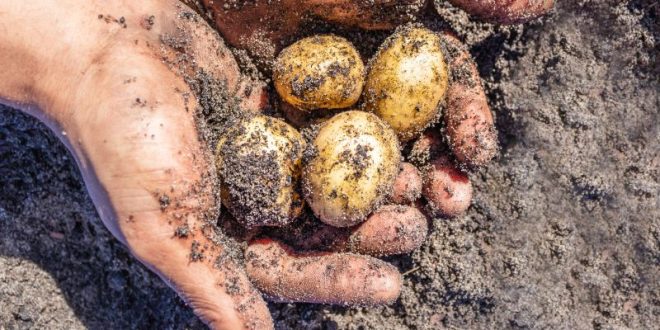
The fresh produce industry in South Africa has been particularly vulnerable to global unrest and climate-related issues, which have recently been complicated by trade restrictions, with fuel and fertilizer (vulnerable to the vagaries of international politics such as Russia’s war), accounting for 25% of the input costs of the average South African potato producer.
“As of March 13, 2023, at least 22 countries have implemented 26 export bans on certain food, ten countries had implemented 14 export limitation measures, affecting specifically onions, potatoes, fruit, and other processed food,” economist Thabile Nkunjana noted, cited by horti daily.
Nearly two-thirds (64%) of South Africa’s vegetable exports, which are primarily made up of potatoes and onions, were purchased by Africa in 2022.
10% of South Africa’s vegetable exports went to Asia and the Middle East, while a sizeable 22% went to the European Union.
“The interesting thing is that from the European Union, because of high energy prices affecting greenhouse production and their vegetable supplies, we’re seeing opportunities there, at least in the short-term, for South African fresh produce,” Nkunjana added.
The National Agricultural Marketing Council sponsored a session on South Africa’s fresh produce chain, during which economist Thabile Nkunjana offered a review of recent broad trends in international trade and their impact on South African fresh produce.