Georgia Seed Model Farm Opens
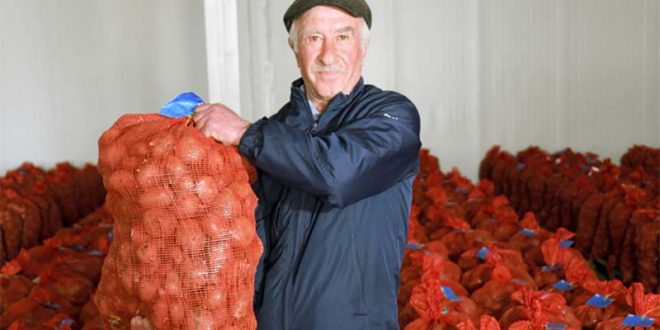
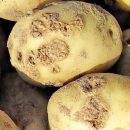
The recently opened seed model farm is one part of the USAID Potato Program in Georgia, a multi-faceted intervention to improve potato seed systems in the country. Potato productivity levels remain low in the country due to pests and diseases in seed potatoes and a lack of healthy planting materials.
The International Potato Center (CIP) is leading the initiative, lending its experience to facilities such as the seed model farm and providing expertise for laboratory, field, and greenhouse-based aspects of the program.
CIP’s regional leader for Central Asia and Caucasus, Rusudan Mdviani, says the potato program will take its true strength from Georgian partnerships.
“Right now we are collaborating with the Agricultural Advisory Service and Javakheti Agro Company, which have allocated greenhouse space and fields for our work. In exchange, we will provide training for their employees,” she said.
According to USAID’s mission director to Georgia, Peter Wiebler, the seed model farm is a key piece for building improved incomes and livelihoods in the country:
“We want the Georgian economy to become stronger and develop and we are pleased with the progress of this program in the past year and we are optimistic for good results. All the pieces of this program will increase yields for farmers and place nutritious potato in the marketplace at affordable prices. And, what’s more, our work with the private sector will create jobs for Georgians.”
To accommodate the anticipated higher yields, the USAID Potato Project in Georgia is also creating potato producer network responsible for disseminating improved potato varieties and associated technology. Through the course of the project, it is expected that at least 50% of the participating farmers will become certified quality seed producers, providing improved seed potatoes to more than 15,000 smallholders farmers. The income gains from this network are expected to be worth approximately USD8.7m per year in Georgia.
Every potato seed generated and sold in Georgia will mean fewer dollars going abroad. “Right now, we buy seeds from Holland and Germany for as much as eight million Euros annually,” said USAID Potato Program project coordinator in Akhalkalaki, Makhare Matukatov. “We hope the demonstration fields will entice more farmers to join our project and elevate the potato sector to new heights.”