Novel Pathogenic Fungus Attacks Potatoes

Researchers from RUDN University have identified a novel pathogenic fungus that attacks potatoes and causes significant crop loss.
Alternaria alternariacida was previously thought to be safe, despite the genus’s previously established reputation for harming potatoes and other plants.
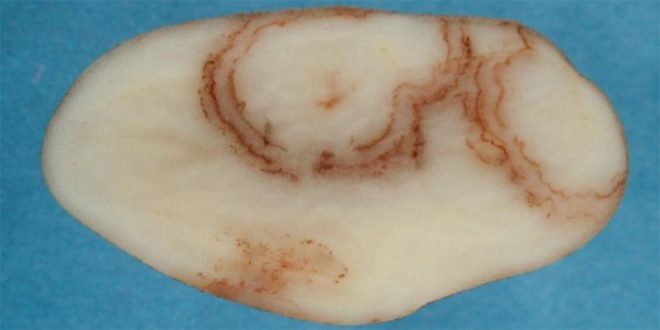
Alternaria-related fungi are the source of harmful potato disease. It accounts for up to 5% of the global potato crop loss. Young and mature plants are both impacted by Alternaria. The most affected leaves have patches that are both brown and bright in color. Growth is slowed down by variations in photosynthesis and the poisons produced by fungi. Tubers are impacted by harvesting. Although not all fungi in this genus are harmful, several Alternaria species have been linked to the development of this illness.
Diseased potato leaves displaying early blight symptoms were collected in July 2016 from a commercial field in Primorsky Krai, Russia. The disease incidence was 30 to 40%. The signs and symptoms fit the standard description: a toxin’s action and disruption in chlorophyll synthesis are indicated by dark necrotic areas with distinct zoning, resembling targets, surrounded by yellowish tissue. Pathogenic fungi were isolated and their spores were then moved to a nutritional media for incubation by RUDN biologists. The species makeup of the fungal isolates could be identified once colonies had developed, according to researchers.
The infection was typically caused by other organisms of the genus Alternaria. Scientists from RUDN University discovered an unexpected method of sporulation in one of the strains. The conidia were thinner and smaller. It was discovered through molecular and genetic investigation that this is a separate species of fungus called Alternaria alternariacida. This fungus is closely related to another Alternaria (A. silybi), which was first discovered infecting potatoes but has since been discovered in the Far East. Separate research by biologists was done on the new fungus’s harmful potential. They contaminated sound potato plants. The potatoes consequently displayed the same signs as the initially picked leaves.
“To our knowledge, this is the first report of disease caused by A. alternaricida on potato plants. Early blight, caused by large-spored Alternaria, is a widespread disease in potatoes. Alternaria alternariacida is among a group of species that cause early blight, according to current research. Studies of the Alternaria species’ biology and analyses of their distribution are important for improving potato protection from early blight,” Lyudmila Kokaeva and Sergey Elansky wrote in their first report of Alternaria alternariacida causing potato leaf blight in the Far East, Russia.