

Compensation Payments Begin After PMTV Disruption To Tasmanian Seed Supply
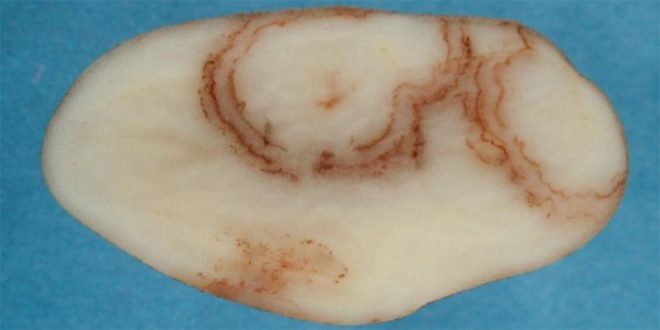
Compensation payments are being processed for mainland Australian potato growers who were prevented from planting Tasmanian seed lines after the detection of Potato mop-top virus (PMTV), in what industry representatives describe as a first-of-its-kind use of biosecurity levy reserves.
AUSVEG confirmed that payments are expected to begin this week for levy-paying growers who received seed from Tasmania that subsequently tested positive for PMTV and were subject to State Government biosecurity orders preventing planting.
The arrangement follows negotiations between AUSVEG and Plant Health Australia (PHA), which facilitated the release of funds from the Biosecurity Response Component — formerly known as the Emergency Plant Pest Response Levy.
According to AUSVEG, the payments represent the first time such funds have been used to compensate growers in the absence of a formal national biosecurity Response Plan. The organisation said the outcome demonstrates the system’s capacity to respond flexibly to emerging circumstances while maintaining governance oversight.
Strict Eligibility And Governance
Under the agreed framework, compensation is available to potato growers who:
-
Purchased seed sourced from Tasmania for the 2025/2026 planting season;
-
Received the seed prior to 1 September 2025, before movement restrictions on Tasmanian seed entering the mainland were introduced;
-
Owned seed lines that subsequently tested positive for PMTV;
-
Were subject to a State Government biosecurity order preventing planting.
Growers must provide documentation evidencing seed ownership as well as costs associated with destruction, storage or processing.
Compensation may cover the original cost of the seed, destruction costs, and storage expenses incurred under biosecurity direction. Where seed was processed at a value lower than its purchase price, compensation will cover the difference, plus associated storage costs. It does not extend to lost future income resulting from the inability or decision not to plant.
An independent third-party assessor appointed by AUSVEG is determining eligibility against the agreed criteria. Cases are then reviewed by an approval committee prior to payment being finalised.
First Detection Of PMTV In Australia
PMTV was detected in Australia for the first time in Tasmania in July 2025. Movement restrictions on Tasmanian seed entering mainland states were introduced in September 2025. Of the Tasmanian seed that had already arrived in Victoria before restrictions took effect, one seed line tested positive for PMTV. Other tested seed lines did not return positive results.
Seed that tested positive was not planted and was subsequently destroyed under biosecurity orders. Mainland states remain free of PMTV.
Levy Reserves Provide Financial Buffer
Potato growers have contributed to the Biosecurity Response Component since 2018, when the then Emergency Plant Pest Response Levy was activated to repay an industry debt to the Commonwealth following the response to Tomato Potato Psyllid (TPP).
Following an industry-wide consultation conducted by AUSVEG in 2024, growers decided to maintain the levy on an ongoing basis. As a result, reserve funds had accumulated and were available to support the PMTV compensation process.
AUSVEG said that without the earlier decision to maintain the levy, a lengthy consultation would have been required to establish one, and no reserve would have been available to compensate growers affected by PMTV-related planting restrictions.
While AUSVEG has been working directly with impacted growers, further information is available via the organisation’s National Manager – Biosecurity and Extension.
The development highlights the increasing importance of structured biosecurity funding mechanisms in managing risk exposure across the seed supply chain, particularly where cross-jurisdictional movement restrictions intersect with commercial planting timelines.