

Three New Potato Varieties for the Peruvian Growers
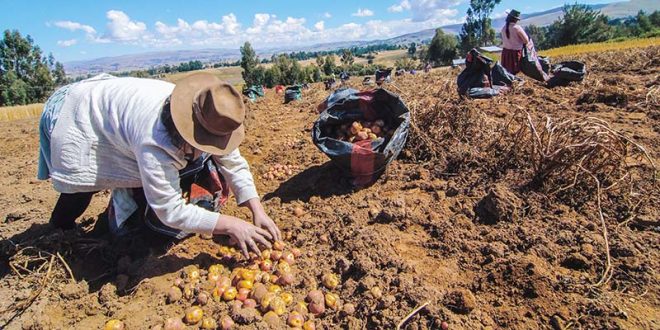
Three new potato varieties: ‘CIP-Poderosa Crocante’, ‘CIP-Poderosa Pollera’ (suitable for industrial processing in sticks), and ‘CIP-Poderosa Watia’ (special for baking) will be available in the second half of the year for the Peruvian growers.
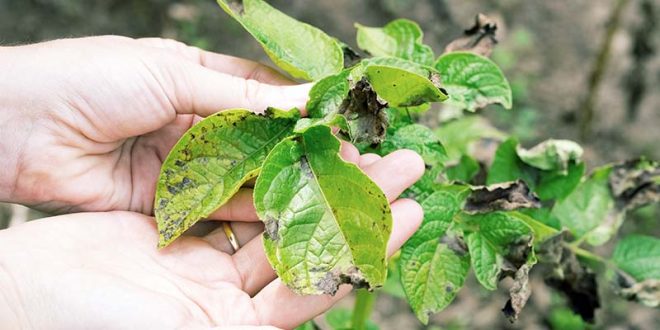
According to ProActivo, the International Potato Center (CIP), Compañía Minera Poderosa, Asociación Pataz, and the National Council of Science, Technology and Technological Innovation (CONCYTEC) representatives, the new cultivar varieties have an excellent aptitude for frying and baking, and high resistance to Phytophthora infestans (Mont.) De Bary.
“This means that they require minimal use of agrochemicals for their cultivation, which reduces production costs and risk of damage to farmers’ health and that of the environment. The field yields reached levels of 35 to 40 tons per hectare,” the specialists added.
The tests carried out have resulted in excellent frying quality. These new varieties seek to supply the local market request and become an export source of high-quality potatoes. Currently, spuds are imported to meet the demand in the processing businesses that use them in frying and baking.
The preparation of the technical files for the release of the three potato varieties is being concluded. It is estimated that the official release will be made available to the potato producers of Peru. Farmers will then be able to buy potato seed from producer organizations that produce and sell seed.
CIP-Poderosa Crocante’, ‘CIP-Poderosa Pollera’, and ‘CIP-Poderosa Watia’ are the result of the project “Selection of potato clones with an aptitude for industrial processing in canes and baking, resistance to Phytophthora infestans and production of high phytosanitary quality seed”, sponsored by CONCYTEC and financed by Compañía Minera Poderosa through Law 30309, which promotes scientific research, technological development, and technological innovation.
It also recognizes the support of local governments such as the District Municipality of Chugay and the Provincial Municipality of Sánchez Carrión in the La Libertad region, as well as farmers from Huánuco, Junín, Arequipa, and Cajamarca; with whom this research was able to be developed on in the field.