

SAVE FOOD At Interpack To Showcase Practical Solutions For Food Protection And Sustainability
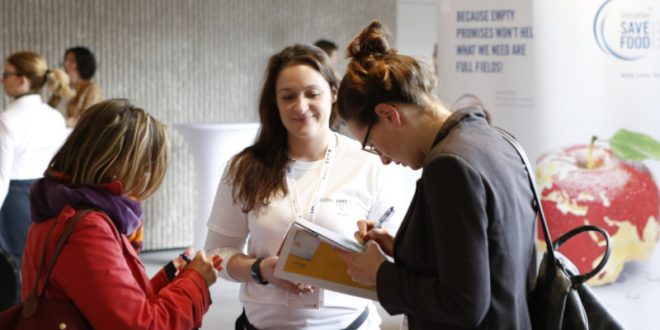
The SAVE FOOD initiative will return to interpack 2026 with a programme centred on the role of packaging in reducing food loss, improving food safety, and supporting sustainability targets across global supply chains.
Scheduled for 12 May, the SAVE FOOD Expert Talks will bring together international organisations, industry stakeholders and certification bodies to examine how packaging systems can respond to increasing regulatory pressure while delivering measurable reductions in waste.
The programme is structured around two panel discussions addressing both policy frameworks and operational solutions. The first session, titled “Global Packaging in Transition: Regulation, Partnerships and the Race for Sustainable Value”, will focus on regulatory developments and the role of collaboration in accelerating system-wide change.
Participants in this discussion include United Nations Industrial Development Organization, Food and Agriculture Organization of the United Nations, World Packaging Organisation, the SAVE FOOD Initiative, and Messe Düsseldorf. The agenda will address regulatory frameworks such as the EU’s Packaging and Packaging Waste Regulation (PPWR), as well as broader international policy alignment.
Discussions are expected to explore how regulatory requirements, design standards and systemic programmes can be integrated to support both sustainability targets and reductions in food loss. The emphasis will be on aligning policy with practical implementation across the value chain, particularly as compliance requirements tighten.
From Regulation To Application
The second panel, “Turning Packaging into a Food Saver: Trends, Innovations, and Solutions Across the Food Supply Chain”, will shift the focus toward applied solutions and operational performance.
This session will examine how packaging technologies can extend shelf life, support cold chain stability, and improve logistics efficiency. Contributions from companies and organisations including MULTIVAC, Kühne+Nagel, SIG Foundation and FSSC 22000 will outline how packaging, transport and quality assurance systems can be combined to reduce losses and improve product integrity.
The session is positioned to highlight practical approaches rather than conceptual frameworks, with a focus on how different elements of the supply chain can be integrated to deliver measurable outcomes. Following the discussions, attendees will have the opportunity to engage directly with speakers and explore the topics in greater detail.
Awards Reflect Growing Industry Focus
Alongside the Expert Talks, the SAVE FOOD programme will include the presentation of the SAVE FOOD Design Awards, the Sustainability Design Awards and the SAVE FOOD project competition.
These initiatives aim to recognise solutions that demonstrate both economic and environmental impact in reducing food loss. According to the organisers, more than 100 entries have been submitted for the awards, reflecting growing industry engagement with sustainable packaging development.
The project competition will be introduced in a new format, providing financial support to selected initiatives to help scale their impact and increase international visibility. This marks a shift toward not only recognising innovation but also enabling its further development.
Solutions On Display Across The Show Floor
Beyond the conference sessions, interpack visitors will be able to explore practical implementations through the SAVE FOOD Highlight Route, which will map relevant technologies and solutions across the exhibition grounds.
Participating companies will present products and services designed to reduce food loss at different stages of the value chain, allowing visitors to compare approaches and assess their applicability in specific operational contexts.
The initiative positions itself as a platform for exchange between industry, policy and research, with a focus on translating sustainability objectives into operational outcomes. At interpack 2026, the emphasis remains on demonstrating how packaging and processing systems can contribute directly to reducing waste while maintaining efficiency and compliance across global food supply chains.