

“On-the-go” Consumers Driving Sales of Snacks in FMCG across Europe
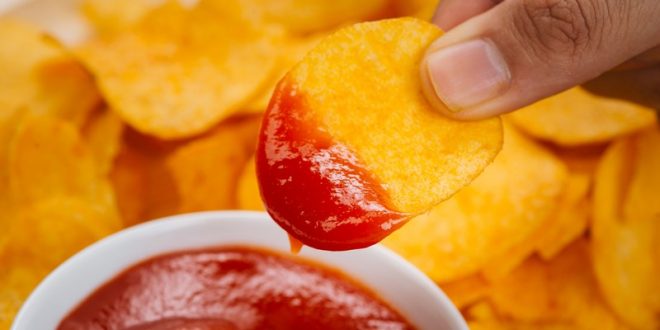
Demand for convenience and food and drink “on-the-go” is helping to drive sales of snacking products, particularly crisps and salty snacks, across Europe, according to a consumer’s survey published by IRI.
Crisps and snacks of EUR6.3bn are a common growth driver of ambient sales, ranking inside the top 10 for absolute growth in four of six countries.
The Top FMCG Categories in 2017 was realized across six major European countries (UK, France, Germany, Italy, Spain and the Netherlands).
A key driver within the ambient food category, the growth in snacks is being boosted by consumers’ increasingly busy lifestyles and preference for eating on-the-go – often as an alternative to traditional meals eaten at home. Overall, ambient food was worth EUR96bn across key IRI European countries last year, and grew by +1.4% on average, with Germany and the Netherlands showing the biggest growth, both up +2.3% year on year (YoY).
Within the ambient category, crisps and salty snacks, with total sales of EUR6.3bn (+3.7% YoY), was a common growth driver across all countries, ranking inside the top 10 for absolute growth YoY in all but two countries. Category sales grew fastest in Italy, with underlying volumes up +7.5% YoY led by increasing rate of sale.
The health-conscious consumer
As highlighted in IRI’s European Shopper Survey last year, health and wellbeing is increasingly important for shoppers, dictating their food and drink choices and helping to drive growth in organic, vegetarian and gluten-free products.
IRI’s analysis shows that consumers are opting for healthier or lighter products, such as individually portioned fruit, nuts, popcorn, baked and vegetable crisps/chips, as their snack of choice. Double-digit growth of vegetable chips, for example, is being fueled by new product development, including root vegetable, pea, rice and lentil variants, from niche and mainstream brands.
IRI also shows that bottled mineral water volumes are now growing ahead of colas across all countries (+3.3% vs -3.4% YoY), suggesting that more consumers are opting to re-hydrate, detox and consider their general wellbeing. Concerns regarding high sugar content linked to health issues like obesity and diabetes are playing an influential role. This decline in fizzy drink sales could be compounded further in the UK with the impending introduction of a soft drinks tax (April 2018) and proposed further hikes in France where a levy has been in place since 2013.
Olly Abotorabi, senior regional insights manager at IRI, comments: “Our analysis of the bestselling macro categories in 2017 throws up some interesting developments in terms of the changing profile of the typical European shopper. Quick and easy access to food and drink choices is becoming more important, so manufacturers and retailers will need to maximize opportunities here.
“Portability and re-sealable packaging, for example, are increasingly valuable assets in delivering convenience for the on-the-go consumer. But they will need to balance this with demand for healthier options, as sugary snacks become less attractive to shoppers, and offer alternatives more suited to guilt-free grazing, such as nuts and seeds, fruit and popcorn.”
To see a copy of the IRI Top Categories 2017 Special Report, visit: https://www.iriworldwide.com/IRI/media/IRI-Clients/International/Top-Categories-Special-Report-2018.pdf