

Market Trends: 5% Rise in Fertilizer Use Worldwide in 2024
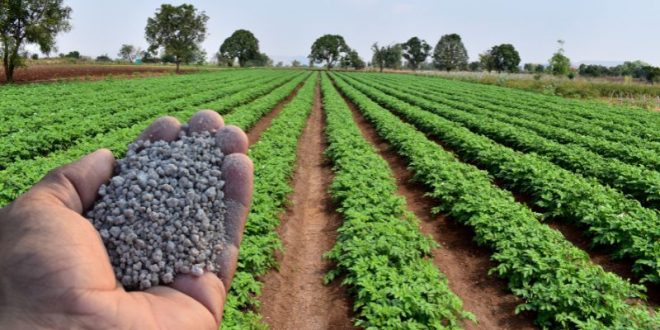
According to the preliminary estimate of the RaboResearch Food&Agribusiness Global Farm Inputs team, there might be a nearly 5% rise in fertilizer use worldwide in 2024. The RaboResearch Food&Agribusiness Affordability Index, which indicates significantly better conditions for buying fertilizers than a year earlier, is consistent with these predictions.
“ […] The index’s movements confirm our expectation of usage growth in 2023, with nitrogen growing by 2%, phosphate by 3.90%, and potash by 5%. For 2024, the 12-month rolling average shows that the Affordability Index will be in positive territory, respecting the cyclicality of the index,” according to the “Semiannual fertilizer outlook – What is next” from RaboResearch Food&Agribusiness.
According to the study, Rabobank anticipates a 4% rise in nitrogen applications by 2024. Additionally, Rabobank projects a 5% increase in potash use in 2023, with a strong probability of a further increase in 2024 due to a plentiful supply and favorable price levels.
The phosphate market is expected to stay favorable for the remainder of the year. Phosphate Affordability Index data from Rabobank soared in July and then declined. “It is slowly showing good signs of recovery, and this trend will likely continue during the coming months,” the experts added.
Potatoes Require Considerable Amounts of P Amendments to be Added Every Season
Tuber quality is crucial for processed potatoes, therefore growers must balance large yields with superior quality. The quest for fresh insights into potato production is centered around a few concerns about quality and productivity.
According to experts, potatoes have a low efficiency of phosphorus usage, requiring considerable amounts of P amendments to be added every season (absorbed in the form of phosphate from the soil). Twenty to thirty percent of the overall cost of producing potatoes can be attributed to these P modifications. Despite their greater prices, farmers are reportedly still applying additional P as a low-cost crop insurance.
A variety of mineral P fertilizers are commonly used in potato production including normal (ordinary) superphosphate (20% P), triple (concentrated) superphosphate (46% P), diammonium phosphate (46% P), and monopotassium phosphate (53% P).
Potassium (K or potash) is the nutrient that the potato plant absorbs the most. K stimulates enzymes and aids in plant stress adaptation. It is necessary for respiration, nitrogen metabolism, and starch production. It is also crucial for preserving the vitality and tone of plants.
You can read the rest of this article in your complimentary e-copy of Issue 4 of Potato Business Digital 2023 magazine, which you can access by clicking here.