


Dutch Specialist Smicon Turns Potato Processing Waste Into Feed And Energy
A Dutch, family-owned engineering company is positioning itself at the intersection of automation and sustainability by developing machines that convert potato processing byproducts into usable raw materials. According to the press release published by FreshPlaza.com, Smicon has built a global business around equipment that upgrades residual flows from French fry and potato processing plants, with installations spanning Europe, Australia and beyond.
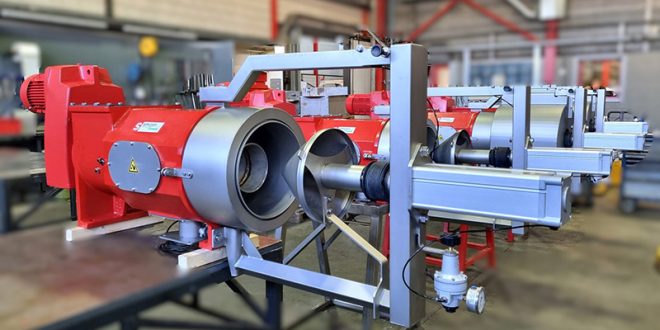
Where French fries and other potato products roll off industrial production lines, Smicon machinery is often operating behind the scenes. The company designs and manufactures shredders, grinders and screw presses that process rejected potatoes, peel waste and other byproducts into outputs suitable for animal feed or biogas production.
“We specialize in upgrading potato processing byproducts,” said Joep Ehren, International Sales Manager at Smicon. “We do that worldwide, from Europe to Australia, with machines that convert waste products into animal feed or biogas.”
Agricultural origins, industrial focus
Smicon’s roots lie firmly in agriculture. The company was founded in 1980 by Tonnie and Gerthy Smits under the name A. Smits Constructies, initially supplying barn and feed systems for livestock farming. During the mid-1990s, the business began developing its first shredders and grinders specifically for potato waste streams, a move that would define its future direction.
That focus on residual flow processing became formalized in 2004, when the company adopted the Smicon name. Since then, it has evolved into an international supplier of recycling and waste-processing technology, with several hundred machines installed worldwide. While the potato industry remains a key pillar, Smicon has expanded into processing supermarket and restaurant waste, where packaging is separated from organic material.
“That’s our largest market,” Ehren said, “but the potato sector remains an important base. Almost all major European potato processors use our machines.”
Core equipment for French fry processors
Within the French fry and potato processing segment, Smicon’s portfolio centres on three machine types. Shredders are used to reduce rejected or off-spec potatoes for secondary applications, including animal feed. Grinders process steam-peeled potatoes into a consistent mash, particularly suited for pig feed. Screw presses extract liquid from residual flows, reducing volume and weight.
By removing excess moisture, processors can simplify logistics while lowering transport costs and associated CO₂ emissions. “The goal is always the same: make waste streams useful, sustainable, and economical,” Ehren explained.
Operational reliability is a critical concern in these environments. Potato byproducts can contain stones, metal fragments or other hard objects that pose a risk to processing equipment. In response, Smicon has developed an application that separates heavy particles from organic material, collecting them independently to limit damage.
This system is available both in new installations and as a retrofit for existing machines, reducing wear, downtime and maintenance requirements. The company has also invested in usability features such as sound enclosures for grinders and remote servicing options to support operators.
Longevity as a sustainability principle
Sustainability at Smicon extends beyond the end use of residual flows. Internally, the company emphasizes gas-free production, European sourcing, recyclable workwear and ergonomically designed workspaces. Externally, durability is a defining principle.
“Smicon machines are robust and easily last 25 years,” Ehren said. “We don’t make disposable products. Our machines run for decades, and that fits with who we are and the sustainable future we want to achieve.”
Despite its global footprint, the company maintains a hands-on approach to customer support. “We don’t leave until a client is running at 100%,” added marketer Indy Aengenend. Innovation remains a continuous process, with Smicon’s R&D team testing new applications directly with customers before market introduction.
As processors across the potato sector face mounting pressure to improve efficiency, reduce waste and cut emissions, Smicon is positioning long-life, adaptable machinery as a practical route to extracting more value from what would otherwise be discarded.