

Potato Wastewater Can Feed Recycling Bacteria
New research from Idaho National Laboratory (INL) suggests that potato wastewater might serve well as a low-cost food source for a special bacterium that could be used to recycle high tech devices, industrial catalysts and other sources of rare earth elements.
Rare earth elements are a class of metallic elements including neodymium and dysprosium found in everything from cellphones and computers to wind turbines and electric vehicles. These elements are difficult to obtain, leaving U.S. manufacturers vulnerable to supply shortages.
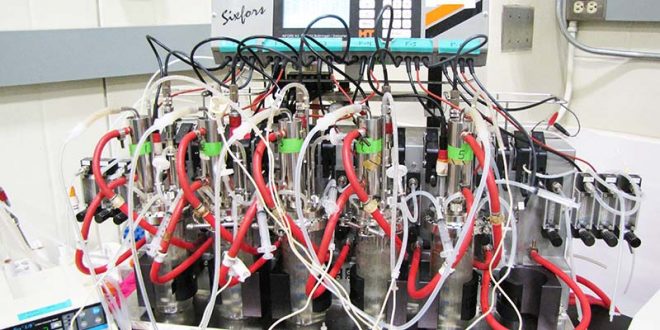
An INL research team has developed an environmentally friendly way to recycle rare earth elements using a bacterium called Gluconobacter oxydans. When provided with nutrients, Gluconobacter produces organic acids that dissolve the metallic elements from the surrounding material and pull them into solution—a process called “bioleaching.”
“Currently, that wastewater is something potato processors need to get rid of,” researcher David Reed said. “They’re limited in how many potatoes they can process by how much wastewater they can dump. […] We did not consider any economic advantage there might be for the potato processing plant. That might make our process even more economical. It reduces or eliminates the disposal costs for the potatoes and the catalysts.”