

A Dutch Farmers’ Decision with Direct Impact on the 2022 Potato Production

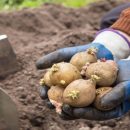
The entire 2022-2023 Dutch arable farming sector harvest will be around 4% greater than it was last year, according to the Centraal Bureau Voor de Statistiek (CBS) recent projection. The potato harvest in particular is anticipated to increase.
“This is the result of a larger cultivated area and a constant yield per hectare. The increased potato-seeded area has been at the expense of the seed onions area, which means that the seed onions harvest […] decreased. This is the conclusion of ABN AMRO in the Agricultural Sector Forecast 2022-2023,” AGF wrote.
Statistics demonstrate that the 2022 arable farming yields are lower than the average for the previous ten years. This is because the amount of arable land has been decreasing for some time, while the yield per hectare has barely increased. The weather, which impacts crop quality and quantity, will have a significant impact on future developments. Agriculture’s arable sector is the one most reliant on the weather. Arable farmers have it harder where horticulture uses high-tech techniques and can manipulate the environment in which the crops grow. Arable farmers’ output can be quickly impacted by extreme rain or drought.
The year 2022 was dry. The Droogtemonitor (KNMI) drought monitor reported a 223mm rainfall deficit, which is comparable to an extremely dry 2018. Irrigation may still reasonably make up for the lack of rain, but it is obvious that there are limits to how much groundwater can be removed for irrigation. Therefore, arable farmers are actively exploring ways to store water and irrigate it more effectively.
Additionally, arable producers must deal with rising costs. Aside from the increased cost of irrigation, other expenditures rose as well, including those of fertilizer, crop protection, storage, energy, and labor. Arable farmers have stocked up sooner than normal due to concerns about shortages. The price of fertilizer appears to have peaked due to the decreased gas prices and declining demand, although it is still anticipated to remain reasonably high.
The combination of increasing expenses, ongoing high demand, and a weak euro have resulted in acceptable pricing for many agricultural items. Many arable farmers appear to have made a respectable return despite the increasing costs. Farmers in irrigated lands who previously had trouble are now having additional trouble because of decreased crops.
Farmers that grow crops on arable land will continue to pay high prices. The regulatory burden is also getting heavier. The new draft decision on derogation, which stipulates that larger buffer strips must be maintained, and the extension of the building plan from the 7th Dutch action program on the Nitrates Directive, as well as a potential decrease in the hectare premium when the new CAP is implemented starting in 2023, may have an impact on the volumes and income of arable farmers. Following a gain of 4% this year, ABN AMRO anticipates a consistent development of volumes for the following year.