

Economic Incentives – the Main Drivers for Traceability Systems

Food safety and product marketability are two areas where traceability is becoming more and more crucial. Traceability enables immediate removal from points of sale if a defective product manages to find its way to consumers or retail outlets. It can verify the product’s origins and distribution points with ease. Thankfully, there are very few instances in which such action is required, but traceability offers additional advantages that are valuable over time.
Customers are becoming more and more interested in knowing the provenance of their food, and traceability may help by providing that information. Most consumers are prepared to spend extra for food that is transparent about its ingredients. For packers, traceability is a crucial component of technologies that boost productivity and profitability and are a part of the digital revolution that is reshaping every sector of the economy.
Economic incentives, as opposed to government traceability restrictions, are typically what drive traceability systems. Businesses create traceability programs to enhance supply-side management, boost quality assurance and safety, and promote products that make certain claims, including whether or not a given item was made without using genetic engineering, for example. Reduced recall costs, more sales of high-value products, and more affordable distribution networks are some of the advantages connected with these goals.
Optimizing and Controlling Raw Materials Input Through Track and Trace Systems
Tracing back items is crucial for potato processing companies, as well. These businesses occasionally obtain raw materials for their French fries or chips from hundreds of different vendors. For instance, if it seems that there is a contaminated or subpar lot, the business can trace this back to the supplier and take action to ensure food safety. Effective incident management is only achievable with a current track and trace system. Another factor contributing to the recent spike in interest is the dramatic increase in potato varieties brought about by consumer demands for a wider range of flavors and goods.
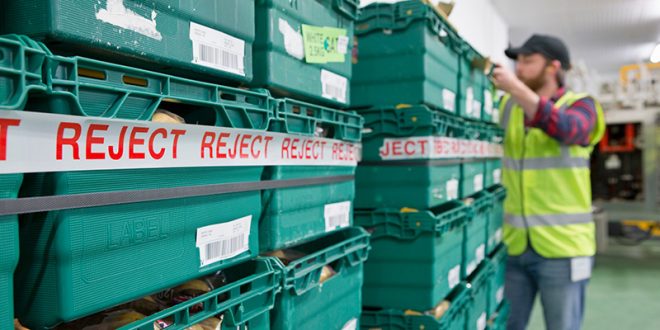
“Box storage of potatoes and a track and trace system keep this easily manageable in the processing plant. Many companies already invest in such a track and trace system to optimize and control this process. To ensure an up-to-date overview of the storage and overview of the entrepreneur himself. Various sources of information can be linked to each box in the storage, for example about varieties, grades, and suppliers. This saves a lot of physical actions, because it is now all digitally visible, anywhere, anytime,” Jan van Maldegem, marketing manager, Tolsma-Grisnich, explained.
You can read the rest of this article in your complimentary e-copy of Issue 1 of Potato Business Dossier 2024, which you can access by clicking here.