

Biosecurity Tasmania Moves to Contain Potato Mop-Top Virus Threat

Biosecurity Tasmania has confirmed the first-ever detection of potato mop-top virus (PMTV) in Australia, following the discovery of infected potatoes on a property in the state’s northwest.
The plant virus, caused by Pomovirus solani, affects tuber development and quality but poses no risk to human health or food safety. Potatoes remain safe for consumption, authorities stressed. PMTV is transmitted by Spongospora subterranea, the soil-borne pathogen responsible for powdery scab. The pathogen can persist in soil for many years and spread through contaminated soil, machinery, or plant material.
The detection was made after an industry member reported unusual symptoms in potatoes to Biosecurity Tasmania. An Incident Management Team has been established, with measures introduced to restrict the movement of potatoes, soil, and other potentially contaminated material from the affected property.
Biosecurity Tasmania chief plant protection officer Dr Susanna Driessen confirmed that additional surveillance and diagnostic work is underway. The agency is working with industry stakeholders to trace possible pathways of introduction and assess whether the virus can be eradicated.
Tasmania’s potato industry is valued at around AUD 300 million annually. Minister for Primary Industries Gavin Pearce said the state government was liaising with national authorities and grower organisations to coordinate a response.
Lessons from New Zealand
The virus has previously been recorded in New Zealand, where it was first identified in 2018. According to Potatoes New Zealand biosecurity manager Iain Kirkwood, the country’s expert advisory panel concluded that eradication was not feasible due to the virus’s soil-borne transmission. Instead, the industry shifted to long-term monitoring and management.
“It’s considered something called a sleeper disease, which can fly under the radar for some time before it starts to become a significant issue,” Kirkwood told ABC Rural. While New Zealand has not reported major yield losses to date, one infected seed line was destroyed, and processors now monitor for the virus.
Experts have cautioned that tracing the introduction of PMTV into Tasmania may prove difficult. In the United States, researchers believe the virus has sometimes been introduced via soil carried in potted ornamental plants, according to Professor Alexander Karasev from the University of Idaho.
Industry vigilance urged
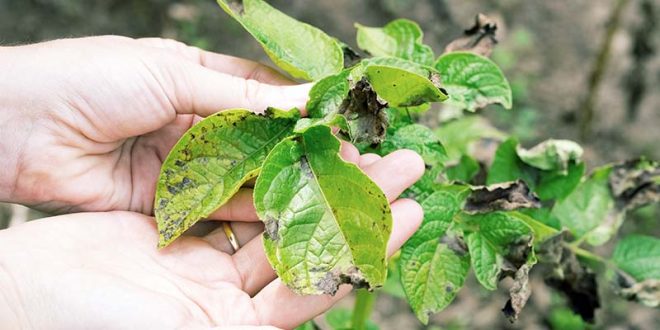
Tasmanian authorities are urging growers and the public to remain alert for signs of the disease, which include rust-coloured arcs in potato flesh. Suspected cases should be reported to Biosecurity Tasmania or through the national Exotic Plant Pest Hotline (1800 084 881).
Biosecurity Tasmania will continue surveillance efforts in cooperation with growers and industry bodies. The extent of the outbreak and the feasibility of eradication will determine the next phase of Tasmania’s response.