


A More Positive Opinion of Genetically Modified (GM) Potatoes
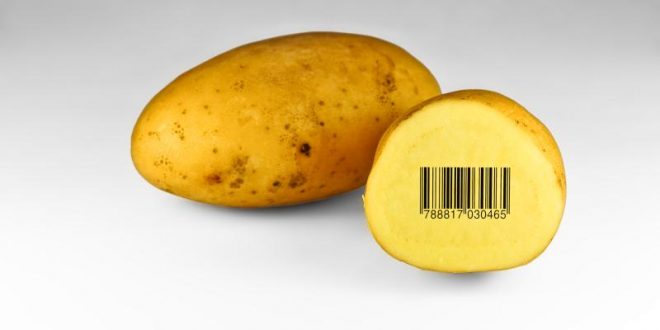
According to a recent study, cited by CIP Potato, people had a more positive opinion of genetically modified (GM) crops in general after seeing genetically modified (GM) potatoes growing in a field and hearing about their benefits for farmers and the environment.
High-yielding potato varieties that are well suited to a variety of nations have been successfully created by breeders, but late blight resistance has proven to be difficult to generate. Although some of the wild relatives of the potato are very resistant, transferring the genes that confer that resistance into commercially viable ones has led to potatoes that are bitter or have other undesirable traits. To eliminate undesired “wild” features, a protracted and laborious back-crossing procedure is necessary.
“It could take multiple decades to produce a variety that has the wild plants’ disease resistance and the characteristics of a commercially popular potato,” Marc Ghislain, Principal Scientist, Biotechnology at the International Potato Center (CIP) and a co-author of the study mentioned.
He continued by saying that breeders may now introduce resistant genes from wild potato varieties into established varieties without altering any of their other properties thanks to biotechnology.
“Farmers who grow those potatoes have little risk of crop loss or need for fungicides. They are also likely to quickly adopt them because they know there is market demand for them. To take those varieties to scale, however, we need consumer support,” the expert added.
Ongoing Field Tests in Southern Sweden
Genetically modified (GM) food crops continue to elicit strong consumer reactions, most of which are negative, particularly in Europe. This is even though food safety agencies agree that crop varieties developed using gene technology in plant breeding are as safe for human consumption as those bred conventionally.
Researchers from the Swedish University of Agricultural Sciences had the chance to let a group of consumers examine one of those crops for themselves thanks to ongoing field tests in southern Sweden. They advertised a visit to a potato field trial on social media, but they did not disclose that the crops they would be seeing were transgenic. To track changes in views and readiness to buy, the 28 participants on that field day completed a questionnaire before and after their visit.
Three genes from two potato wild cousins were inserted into the King Edward variety, a 100-year-old variety that is still extremely significant in Sweden, to create a late-blight-resistant transgenic potato that was tested. Three years of tests revealed this transgenic variety of King Edward to be 100 percent late blight resistant.
“We could reduce the use of agricultural fungicides in Sweden by several percent just by using this new resistant potato,” Erik Andreasson, co-author and Professor in Plant Protection at the Swedish University of Agricultural Sciences declared.
Ghislain continued by saying that although the transgenic potato had demonstrated positive results over three seasons in terms of resistance, decreased costs, and the amount of time it would take to get the improved variety into farmers’ fields, he knows from prior studies that simply communicating facts is insufficient to win over the public.
“You need to address the reasons behind their concerns,” the researcher mentioned.
Before the field trip, the participants’ feedback revealed certain key difficulties regarding the acceptability of GM crops, including the need for them to be seen as healthier than conventional potatoes, to cost the same or less, and to be produced organically. Another issue was the belief that GM crops benefited large corporations more than farmers and consumers and that adopting biotechnology in plant breeding entailed unacceptably high risks.
Following the field visit, there was a positive change in risk perceptions and attitudes, indicating that personal experience and access to reliable sources of scientific information, in combination with discussion with public sector scientists, can increase the acceptance of GM products. Though the study sample was small and not representative of the wider population, it does present an approach that could be scaled up and used on other types of products.
“Farmers stand to benefit from resistant varieties improved through biotechnology, which have positive implications for human health and the environment since fewer potentially harmful and expensive chemicals such as fungicides will need to be used. GM crops cannot solve all the problems farmers face on their own, but early evidence shows that if we can overcome regulatory barriers and create more positive consumer attitudes toward them, they could certainly make a significant contribution to farmer incomes, food security, and the environment,” Ghislain concluded.